


You know the Venezuela headlines. No toilet paper, no electricity, no medicine, 100,000% inflation, and Caracas on the most dangerous cities lists year after year.
Then on January 3rd, 2026, US forces flew into Caracas and took Nicolás Maduro and his wife to New York to face narcotics charges.
And since then…
Delcy Rodríguez took over as interim president, and Washington restored diplomatic relations in March
The US started peeling back sanctions, beginning with the central bank
An amnesty law freed hundreds of political prisoners (hundreds more are still held)
In July, Rodríguez scrapped the rule forcing state-owned PDVSA to hold a majority stake in every oil project
A country ExxonMobil called “uninvestable” in January is opening up, fast.
Unsurprisingly, I let autism take the wheel. I had to see it with my own eyes. Boots on the ground.
So I recently spent 24 hours in the richest city in the country. It was not the Venezuela I expected, and the January reset is the backdrop for everything below, including the safety and apartment prices.
The City
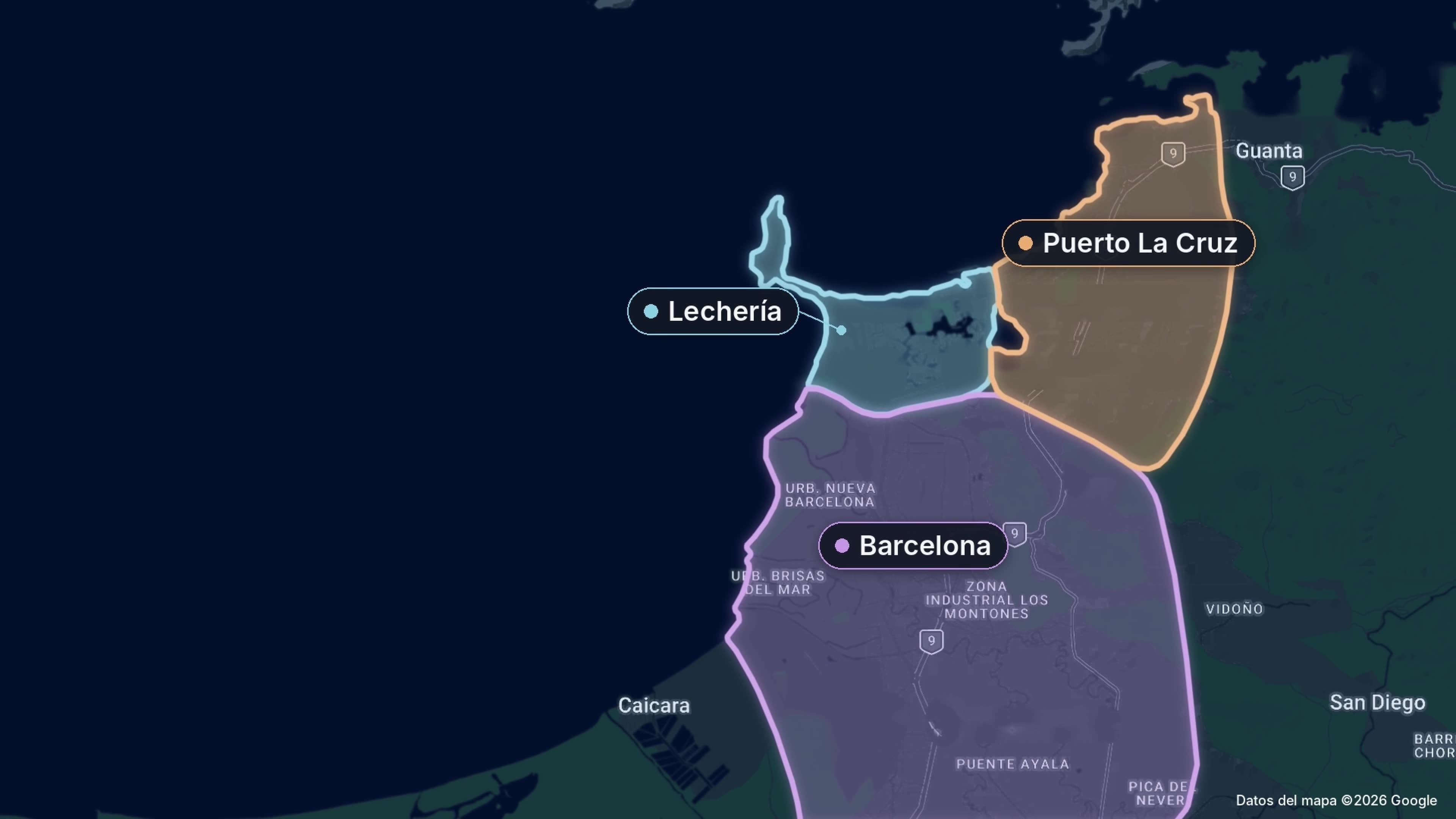
Lechería is maybe 50,000 people on Venezuela’s northeast Caribbean coast, in Anzoátegui state. It’s the upscale end of a metro area of 700,000 to 800,000 that includes Puerto La Cruz and Barcelona, where the airport is.
Per capita it’s the wealthiest city in the country. Andrés, a local I’ll introduce in a minute, says the only place in the same league is the Chacao municipality in eastern Caracas.
The Canals
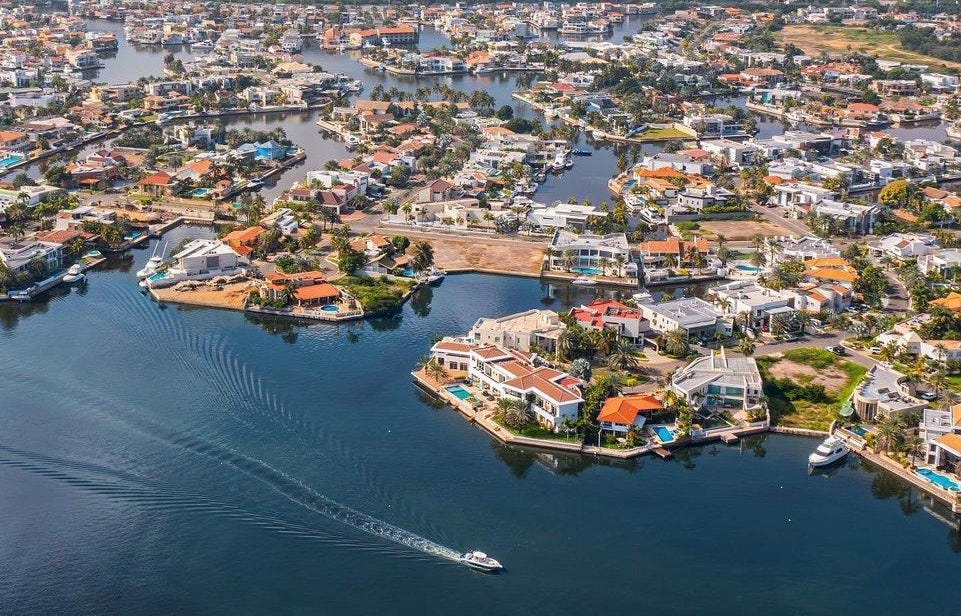
The Complejo Turístico El Morro is a neighborhood of canals with villas, townhomes and apartment towers on the water and yachts tied up out front.
Locals call it the “Venice of Venezuela”
It felt more like a small Venezuelan Miami. The mansions in Las Villas run $1 million to $3 million. If you know Colombia’s estrato system, the 1-to-6 class rating stamped on every address, the canal apartments are estrato 5 and Las Villas is estrato 6.
Scattered between them are abandoned multi-million-dollar projects that stalled when something went wrong with the developer or the politics.
The Beaches
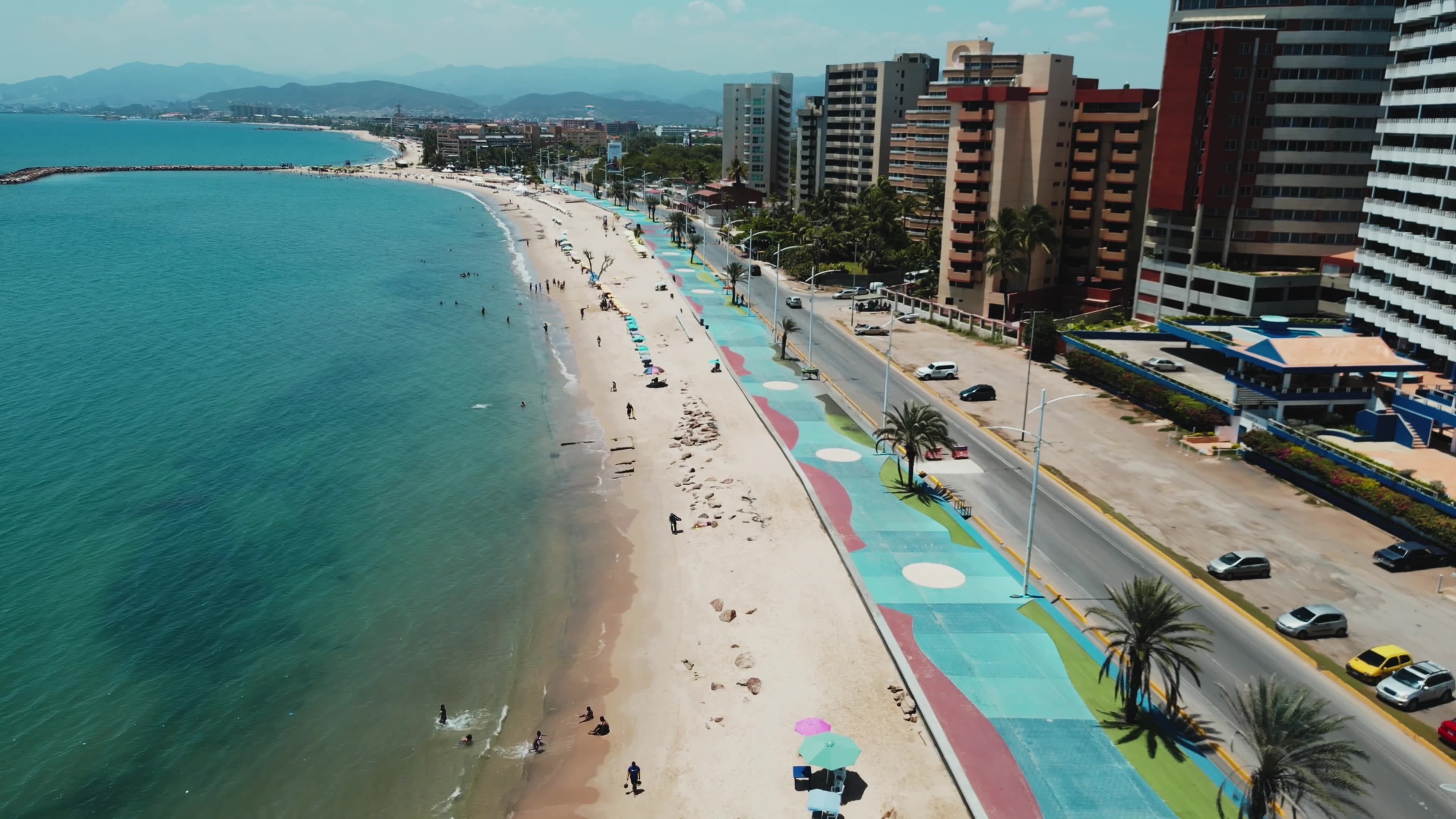
Playa Mansa is my favorite part of the city. You can’t swim there, but it has the best sunsets in town, and the coffee shops, bars and restaurants are all within a walk. If I were basing here for a month I’d start there.
Playa Lido is the swimmable beach, with a beach club and weekend crowds drinking beers in the water.
The “Time Capsule” Vibe
Lechería feels cut off from the rest of the world, and I mean that as a compliment.
There’s no Uber and nobody seemed in a hurry. Kinda refreshing that you can’t source your whole life from apps on your phone here. Pro y con.
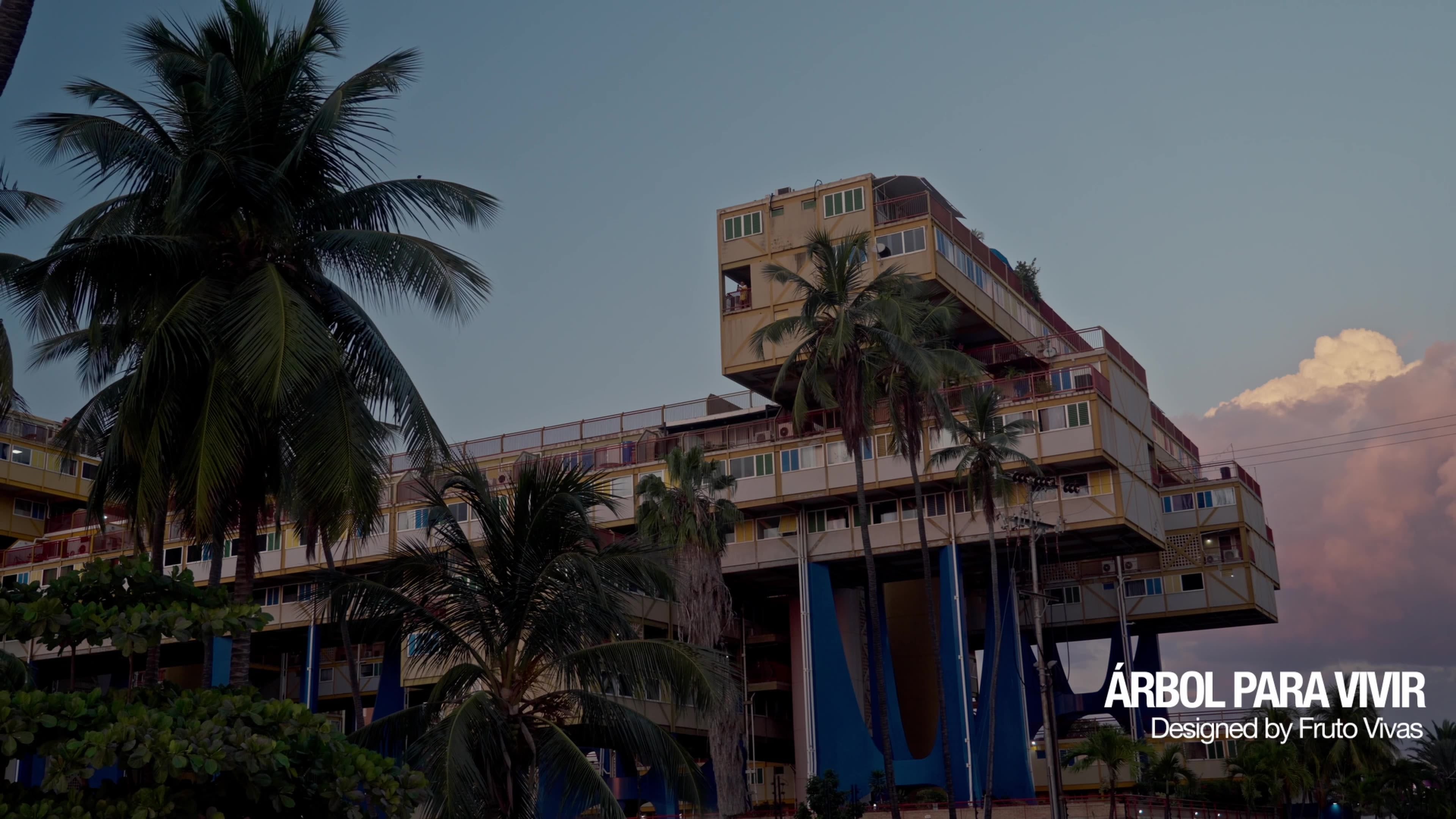
Almost nothing got built for decades, so the city still looks like the 90s: the Árbol para Vivir, the “tree for living” by the architect Fruto Vivas, finished between 1990 and 1994 and unlike any building I’ve seen anywhere, and Plaza Mayor, the biggest mall in the city, open-air, Caribbean-style, straight out of the early 90s.
It felt like the glory days of LatAm travel, pre-2016 or so, before everywhere started feeling like everywhere else. Stepping back in time, in a good way.
The Prices Nobody Can Explain
I planned to tour apartments. Half the owners didn’t want their units on camera (draw your own conclusions, I’ve drawn mine), and the prices made no sense. Every number a local quoted me was from before January 3rd.
The beachfront unit in Playa Mansa I called about:
Sold about 15 months ago for $90,000
Another unit in the same building, offered to me on the same call, $320,000
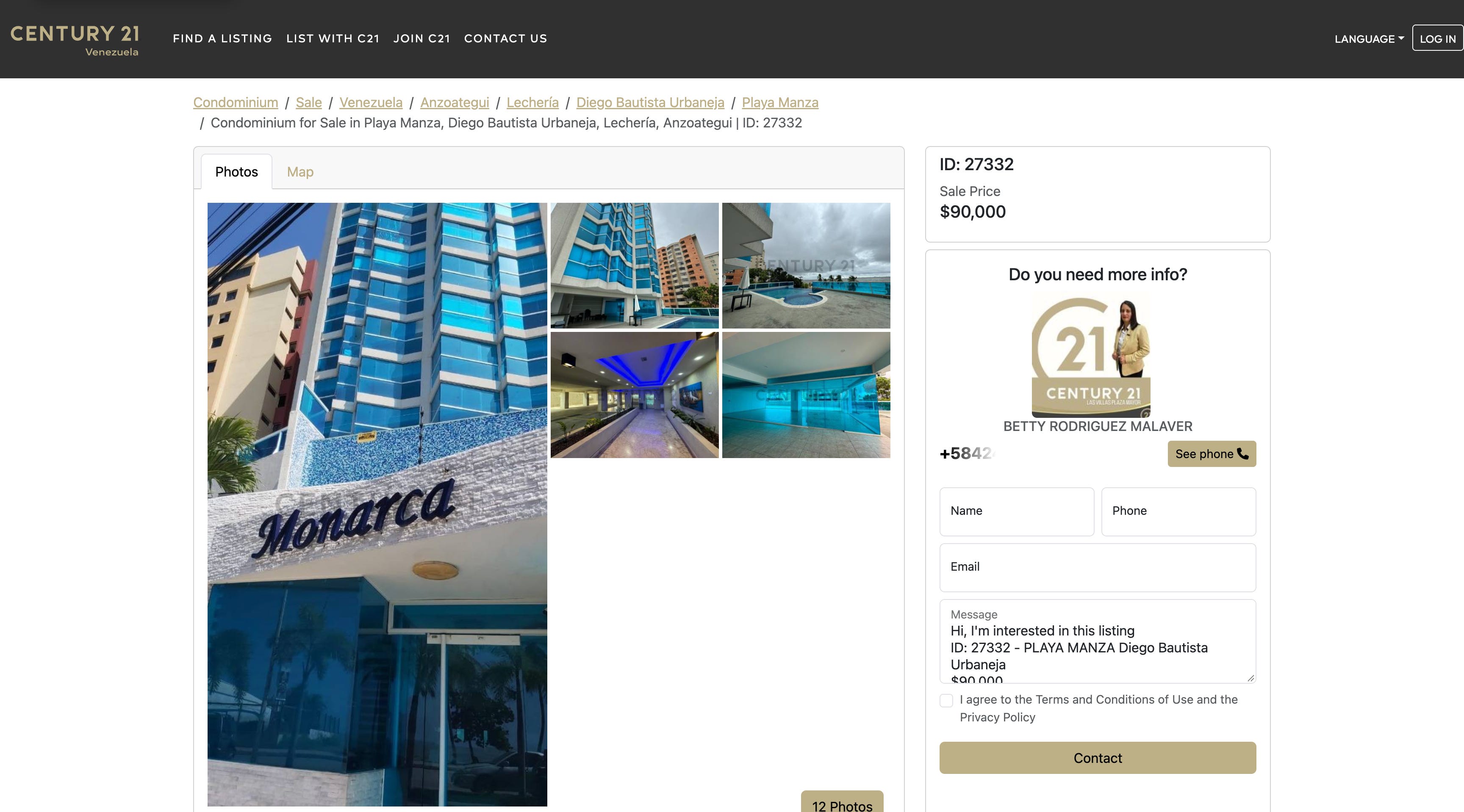
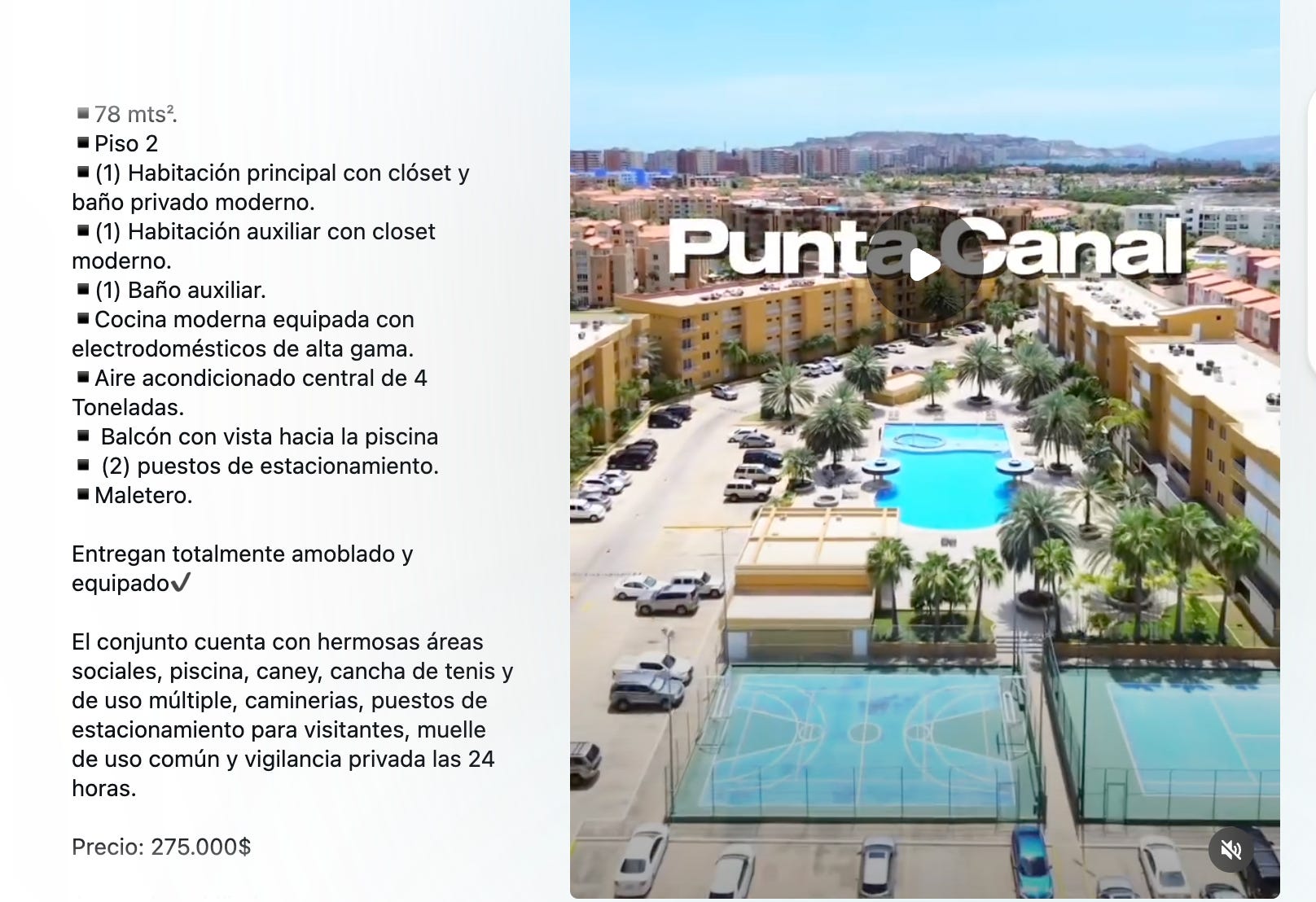
The canal complex Eduardo, the tour operator who took me through the canals, said “starts at $100,000”:
What he quoted me, from before January, $100,000 and up
What was listed while I was in town, a 78 m² 2-bedroom at $275,000
Andrés, who has lived in Lechería almost 20 years and runs a consultancy there, says the market has run to all-time highs since the capture of Maduro.
Either these owners don’t want to sell, or there is an insane amount of liquidity in this market right now. Felt like I was missing something…
Should You Go?
It felt safe, so there’s that.
We walked around with $8,000 to $10,000 of camera gear the entire time without an issue, and locals count the years without a homicide rather than the homicides.
So if that was your concern, I wouldn’t be too stressed here. Although anything can happen.
And Andrés has a line I keep thinking about, essentially:
Venezuela is not poor and it is not cheap. It’s impoverished, artificially, for political reasons. The politics and the oil explain everything else in the country. Fix the politics and the rest is downwind.
We might get to see if that rings true here sooner than later.
But for now, Venezuela in 2026 is a frontier market just starting to open up. If you don’t have experience in Latin America and don’t speak decent Spanish, you’ll get a culture shock, and this might not be your ideal first stop in the region.
If you do, Lechería might be the most unique spot in Latin America right now. Probably not for poison removal, red-blooded tings’ — but I just can’t remember the last time a city fascinated me like this one.
Worth a week at minimum for some.
If Venezuela is on your radar, 2 things:
Ya tu sabes,
Jake Nomada
P.S: Yes, I know I said I was closing shop here. I am, but it’s going to be more of a rebrand, as I don’t love the spot I’m using now. All the old content is gone, however.