

If you’re torn between the tranquility of a small town and the vibrant life of a big city…
Montevideo, Uruguay might be the place for you.
So warm up some water, prepare your mate, and settle in, because today I’m here to break down everything you need to know about Uruguay’s wonderful capital city!
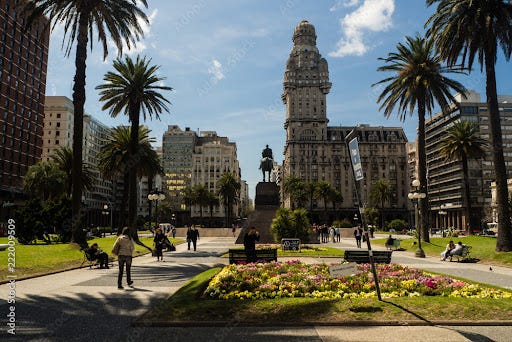
Montevideo, Uruguay 🇺🇾
Population:
City proper: 1,380,000
Metropolitan area: 1,900,000
Montevideo is the capital and largest city of Uruguay. Approximately one-third of the country's total population lives here.
Weather:
Generally speaking, the climate in Montevideo is favorable. Average temperatures in summer and winter never get too extreme. In summer, the average temperature ranges from 77ºF to 96ºF, and in winter it’ll fall somewhere between 50ºF to 59ºF.
That said, it’s a good idea to be prepared for a few warmer days; temperatures can reach 100ºF during the summer months, although this isn’t particularly common (and it’s nothing that a refreshing walk along the rambla — Montevideo’s coastline promenade — can't fix!).
Montevideo doesn’t have a clearly defined rainy season, but it does get cloudier during its winter months.
For the best weather, I recommend visiting between the months of November through April.

Why Visit Montevideo, Uruguay?
If you’re a more laid-back individual, Montevideo will be a good fit.
The city has a lot to offer without being overwhelming. And, because it’s relatively small and safe, it’s easily explored on foot or by bicycle.
There are cultural activities to suit all tastes, from Tango to traditional Afro rhythms like Candombe to Murga shows, which are certainly worth experiencing at least once in your life.
The nightlife and the variety of bars are other strong features of this city…and we can't forget about the delicious Uruguayan parrilladas, which offer a wide variety of some of the best meat in the world.
For those who are drawn to the culture of European cities, Montevideo is one of Latin America’s better options; the Uruguayan capital has a wide range of museums, theaters, music concerts, and parks.
Another fun fact is that marijuana is legalized nationwide for recreational use, something that isn’t particularly common in Latin American nations.
Finally, it's worthwhile to stop by your nearest bakery to try Uruguay’s famous bizcochos, which make for a great, quick snack.

How To Get to Montevideo, Uruguay
In total, there are 15 direct flights to Montevideo. Six of these are from Brazilian airports.
Here are the some of the main connections:
Panama City
Madrid
Miami
Buenos Aires

Since Buenos Aires is right next to Montevideo, another alternative is to fly to Buenos Aires and take a boat (BuqueBus) from Buenos Aires to Montevideo. The ferry trip is comfortable and will take about two hours.
Best Neighborhoods in Montevideo, Uruguay 🇺🇾
Despite being a capital city, Montevideo is not a massive metropolis.
This makes logistics fairly straightforward. All the neighborhoods mentioned below are located in the central areas of the city and are all relatively close to one another. These neighborhoods will have everything you’ll need, including bars, nightclubs, restaurants, parks, and supermarkets.
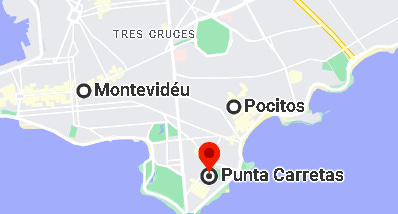
Parque Rodó: This area has a high concentration of nightclubs, bars and steakhouses. It boasts a beautiful park and the Rambla (Montevideo’s beachside walkway) is also right next door.
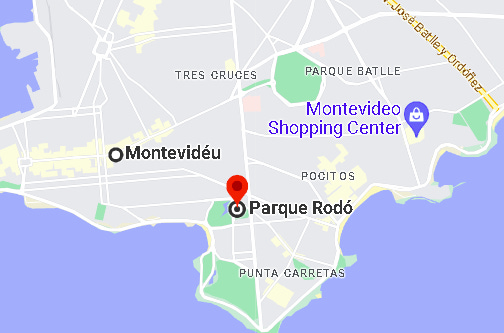
Punta Carretas and Pocitos: These neighborhoods border each other.
Pocitos is a wealthier neighborhood, so you’ll find fancier cafes and restaurants. If you like a lively nightlife scene and prefer to be in the center of the action, this neighborhood is a superb option.
Punta Carretas, on the other hand, has less nightlife than Pocitos, but it’s still a fine choice if you prefer a quiet area with parks, bars and restaurants.
Both neighborhoods are located close to the Rambla.
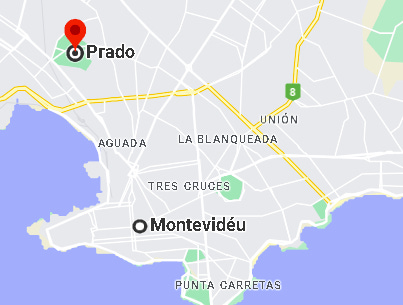
Prado: This neighborhood is slightly further away from the action, but you’ll be rewarded with less traffic, fewer buildings, quieter streets, and a more family-oriented atmosphere. Another bonus is that it’s located near one of the largest public parks, Parque del Prado.
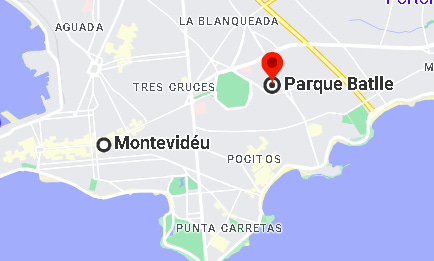
Parque Batlle: This neighborhood is comparable to Prado, albeit more centrally located — it has beautiful nature and parks.
Cost of Living in Montevideo, Uruguay
Alas, this is one of the negative points of Montevideo (and of Uruguay in general).
As a dollarized economy with a small internal market and strong migratory pressure from neighboring countries, the cost of living in Montevideo is among the highest in Latin America.
Here’s what you can expect to spend in a month:
Airbnb Apartment in Best Area: $1200-2000 USD a month
Hotel in Best Area: $1500-2500 USD a month
Maid: $400-600
Grocery Store: $300-600
Eating Out / Delivery: $300-600
Gym: $30-60
BJJ / MMA: $50-100
Partying / Dating / Social: $300-600
Cell Data: $25
We suggest a minimum of $3,000 USD per month to live comfortably as a tourist in Montevideo.
If you’re looking to cut these costs somewhat, you’ll be pleased to know that public transportation in Montevideo is efficient and easy to use. The routes are well-defined and there is route information at each bus stop.
In addition to buses, the taxi system and ride-sharing services such as Uber are reasonably priced. For instance, for a 5 km ride, you’ll pay around 5-7 USD. However, keep in mind that this price can vary depending on the time of day and demand.
It’s also possible to rent bicycles in some areas of the city, which can be an affordable alternative for exploring the more central and tourist areas.
Safety in Montevideo, Uruguay 🇺🇾
I can say with certainty that Uruguay is one of the safest countries in Latin America — by far!.
In other words, you can rest easy in Montevideo.
Of course, we’re still in a big Latin American city, so don’t let your guard down at night.
"No más! Tómate un mate y disfruta del atardecer en la rambla de Montevideo, ¡Gringo!"