


Vamos pal Puerto!
That’s what Venezuelans say when they’re visiting this city.
While the entire metropolitan area of the northern part of Anzoategui state is loosely called Puerto la Cruz, this is not entirely accurate. The metro area is comprised of four different cities:
Puerto la Cruz
Lecheria
Barcelona
Guanta
Each city has its own dynamic and vibe. Here’s a quick breakdown of each of these four cities:
Puerto la Cruz
Population: 306,000
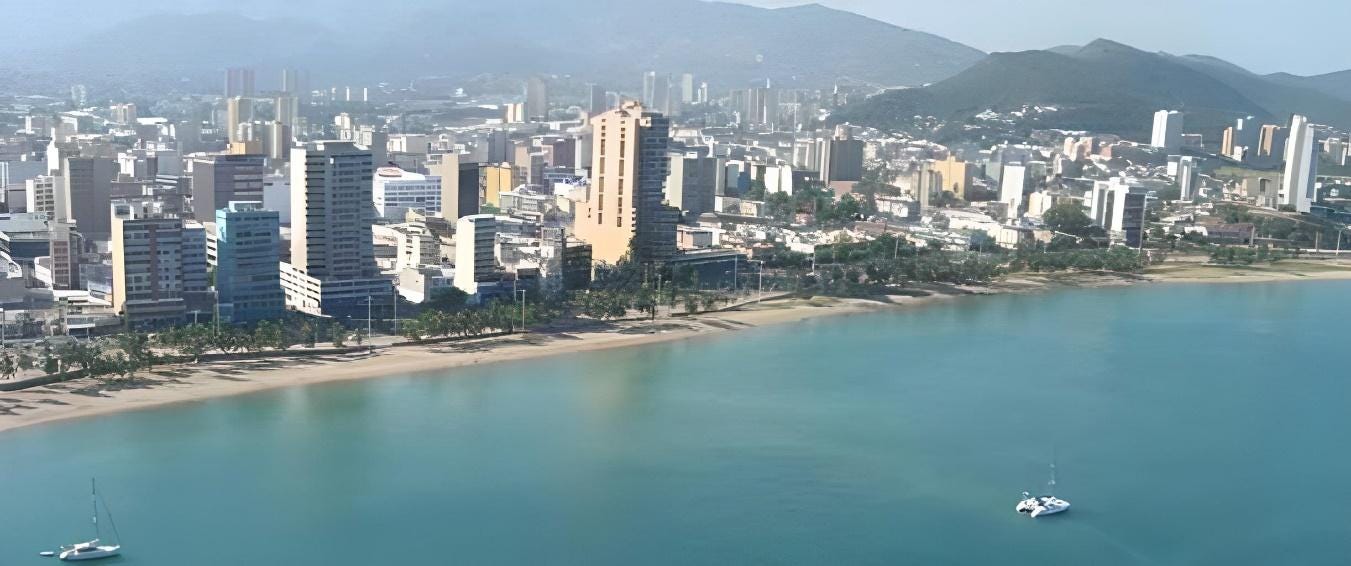
Puerto la Cruz is the most famous city in this region. It’s close to the beach, and its main landmark is Paseo Colon (Colon Dr.), which is a beautiful boardwalk by the sea. It’s a middle-class area, mostly populated by small business owners. This city is full of small shops and businesses.
Lecheria
Population: 78,000
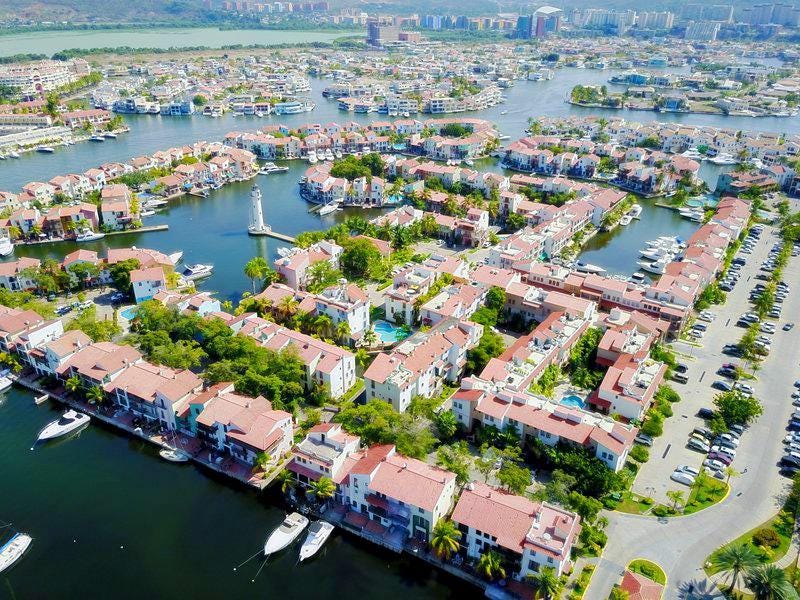
This is the most beautiful city in Venezuela, as well as my hometown — so yes! I am biased.
It is a small city surrounded by beaches and water canals, like Venice. The city is young, with an average age of only 31 years, and it was built on salt flats using artificial islands.
For this reason, some say that Lecheria is the '“Dubai of Venezuela” in some ways. The city is surrounded by boats and high-end properties. Residents are comprised mostly of middle class and many wealthy individuals.
Barcelona
Population: 421,000
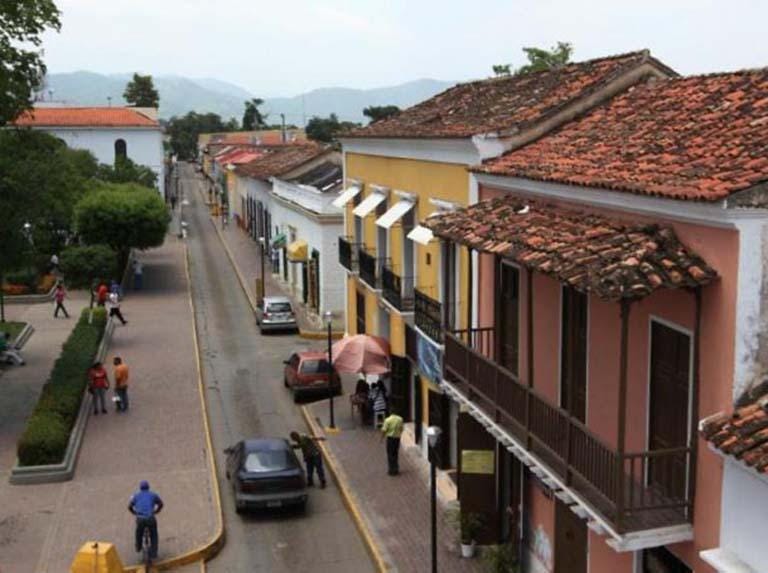
Barcelona is the capital and most populated city of the state of Anzoategui. It has many businesses, offices, and residential complexes, and serves as an important logistic hub for the region.
Although it has the least touristic appeal of any city on the list, it is nevertheless the most economically important. Residents range from middle-upper class to people living in slums.
Guanta
Population: 74,000
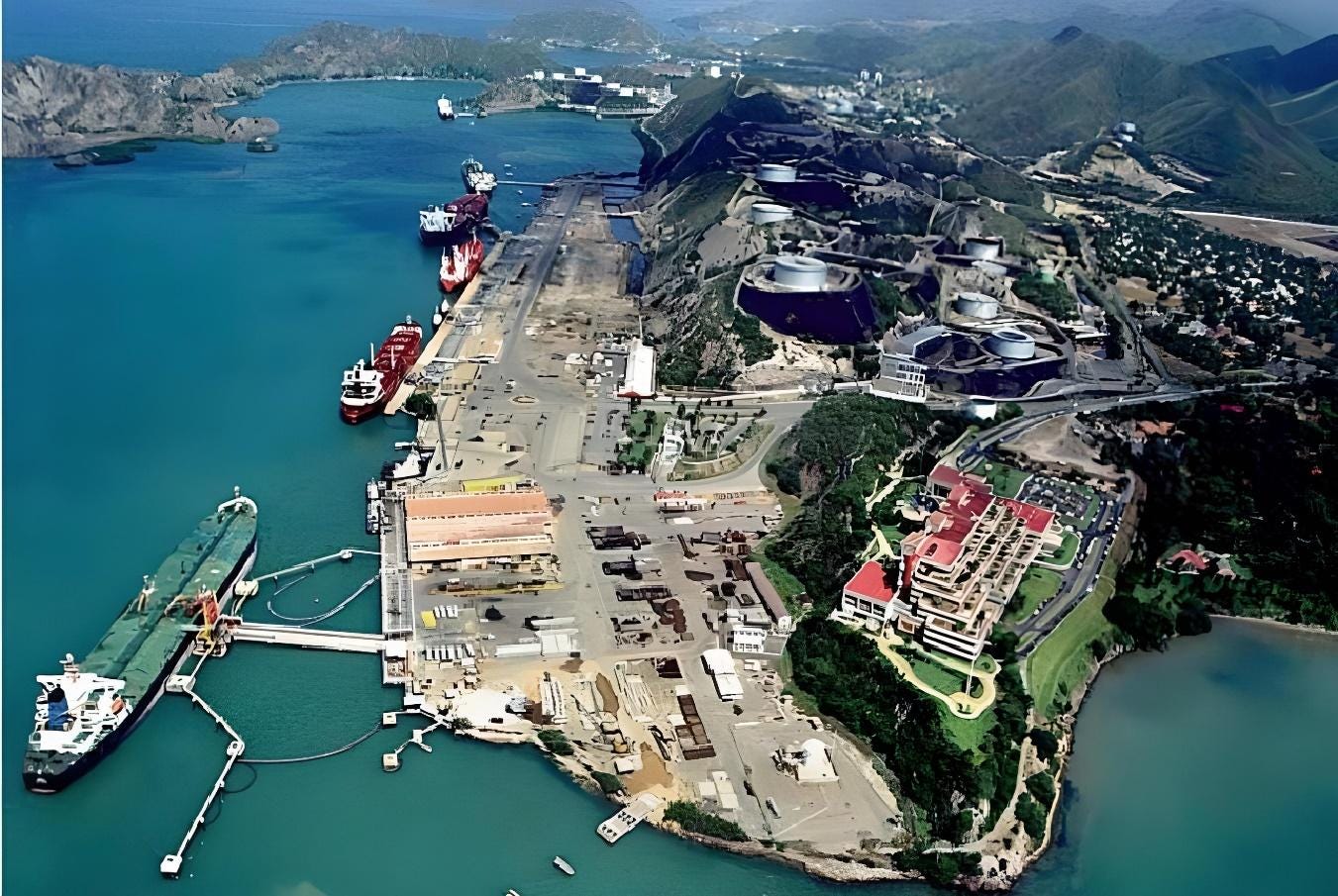
Guanta is located next to Puerto la Cruz and is considered one of the most important ports of the country. Due to its location by the Caribbean Sea, the city has many beaches nearby.
Although a little underdeveloped, the city is very picturesque.
**Guest post by esteemed Venezuelan scholar: Andres Villarroel
Weather
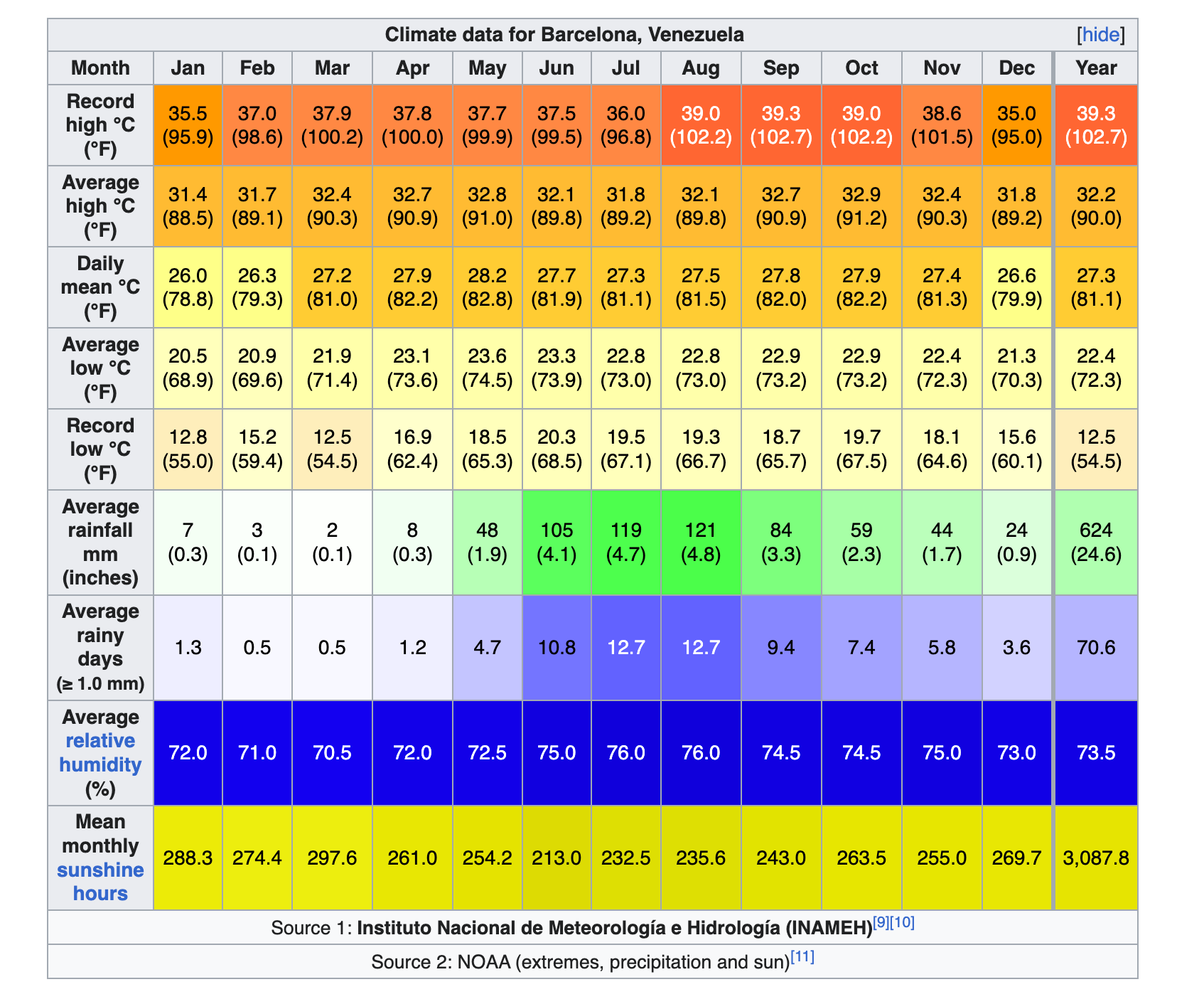
The region has a tropical climate. It’s warm during the daytime, with temperatures ranging from about 77F to 95F (mid 20s to mid 30s Celsius). Nights can be cooler and windy.
The dry season is from December to April and the rainy season is from May to September.
The city has sunshine every single day, so it feels like summer all year round. If you are worried about the heat, don’t be – every facility is equipped with A/C.
Climate data for Barcelona, Venezuela 🇻🇪
Why Visit?
This area is a major tourism hub in Venezuela with many beaches and amenities. It offers a host of activities, from taking a walk on Paseo Colon, to navigating the canals of Lecheria.
Any hobby or activity that you enjoy, you will find here. It doesn’t matter if you’re a day or night person, if you’re hard working or laid back, prefer beaches or mountains, you will find something to do here that’s to your liking.
And if you’re a fan of the sea, you’ll find every possible related activity: beaches, sailing, surfing, diving, seafood, you name it. This area is a dream come true for any ocean enthusiast.
This area is also quite safe for Venezuela standards.
And of course, you’ll find many beautiful Venezuelan women here.
How to Get to El Puerto?
The main airport is in Barcelona, and it only offers one direct international flight right now (to Panama City). The city used to offer direct flights to Miami, Lima, Manaus, and Santo Domingo (Dominican Republic).
The good news?
It’s likely that in the next months or year(s) new international routes will be introduced.
Considering this, the best way to get to the city is through the Maiquetia Airport in Caracas. The Caracas airport receives several international flights and the flight from Caracas to Barcelona takes only 40 minutes.
If you are coming from Margarita Island, you can take one of the many ferries that go to Puerto la Cruz.
Where to Stay + Best Neighborhoods
If you are a foreigner and this is your first time to the city, I strongly suggest staying in Lecheria — we will do a breakdown of the whole area.
I’ll also mention that, if you don’t want to stay in a hotel, I recommend renting a property in a nice residential complex. Many of these complexes serve as city landmarks, and, in some cases, can be cheaper than staying in a high-end hotel.
Here are some of the options I recommend.
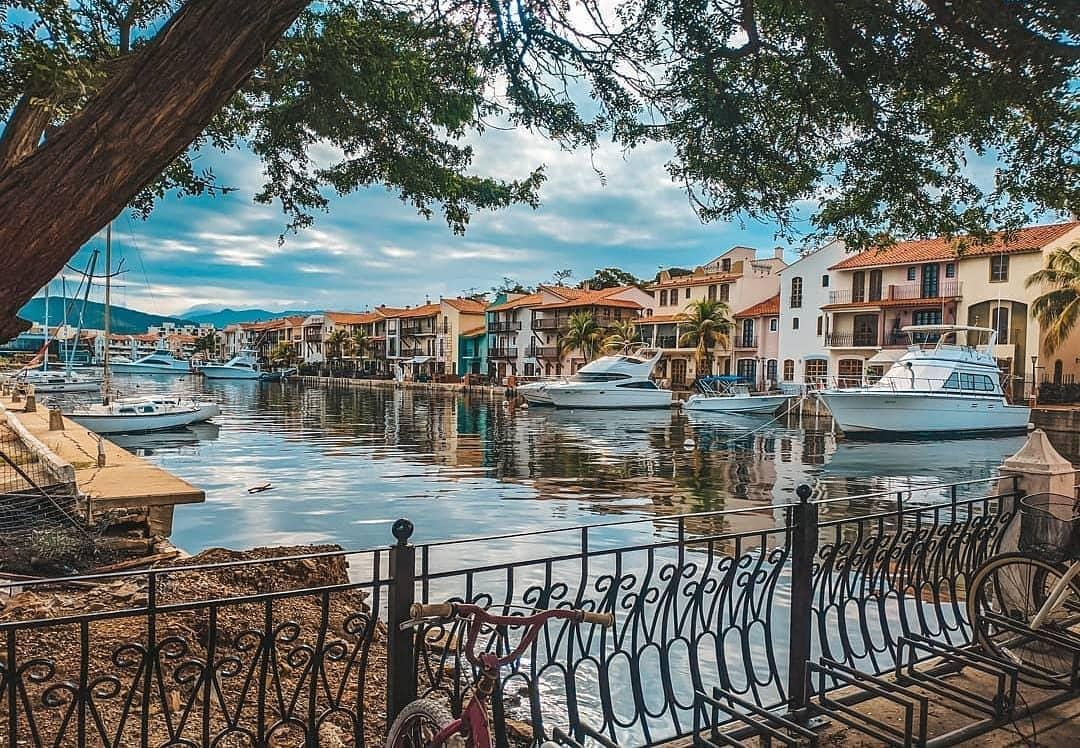
Pueblo Viejo
This is a residential complex built on artificial islands. Inspired by Greek Mediterranean aesthetics, it resembles Santorini or Mykonos. It is surrounded by canals, a Marina, and a golf course.
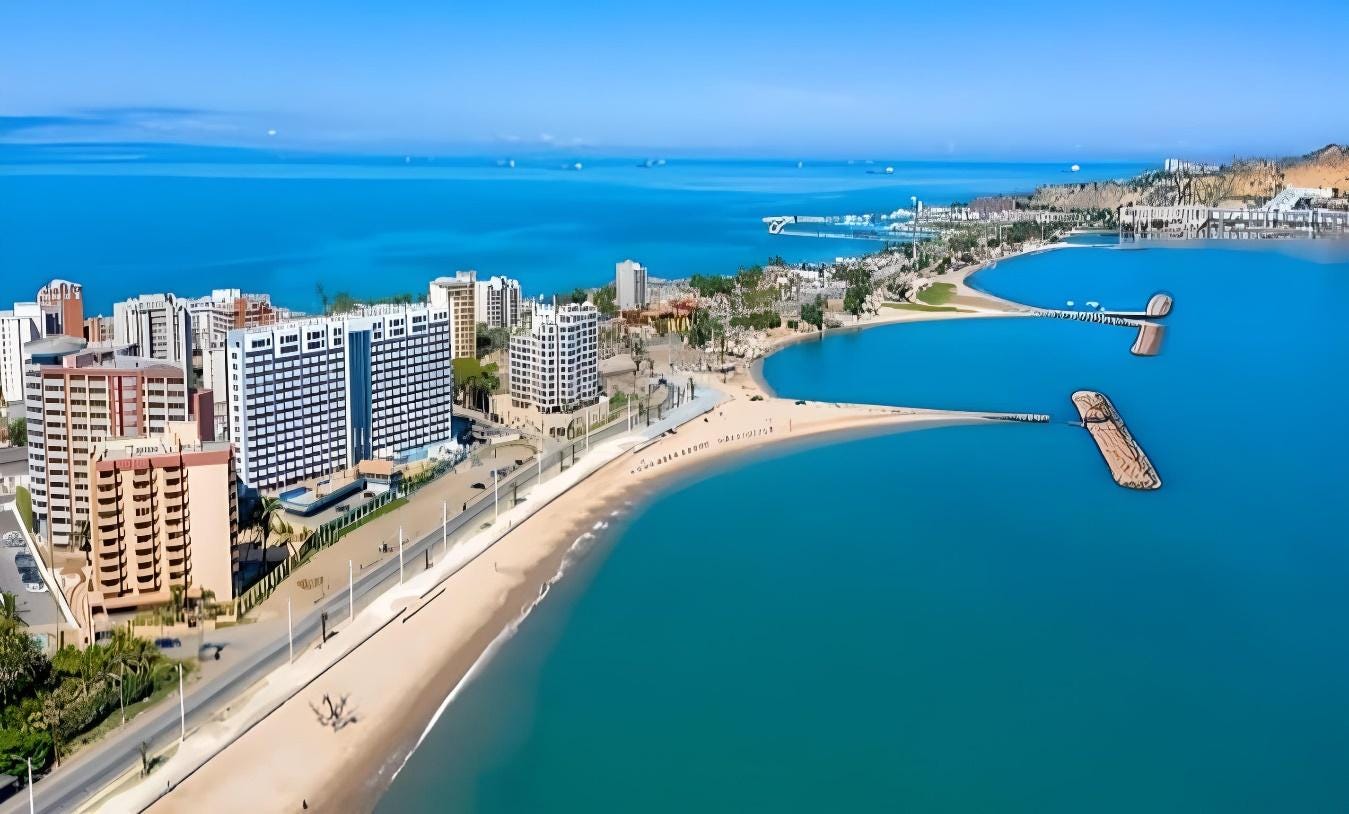
Playa Lido
This is one of the main beaches in the city. It has water sports and is a great choice if you want a walkable area. It’s also close to many places of interest.
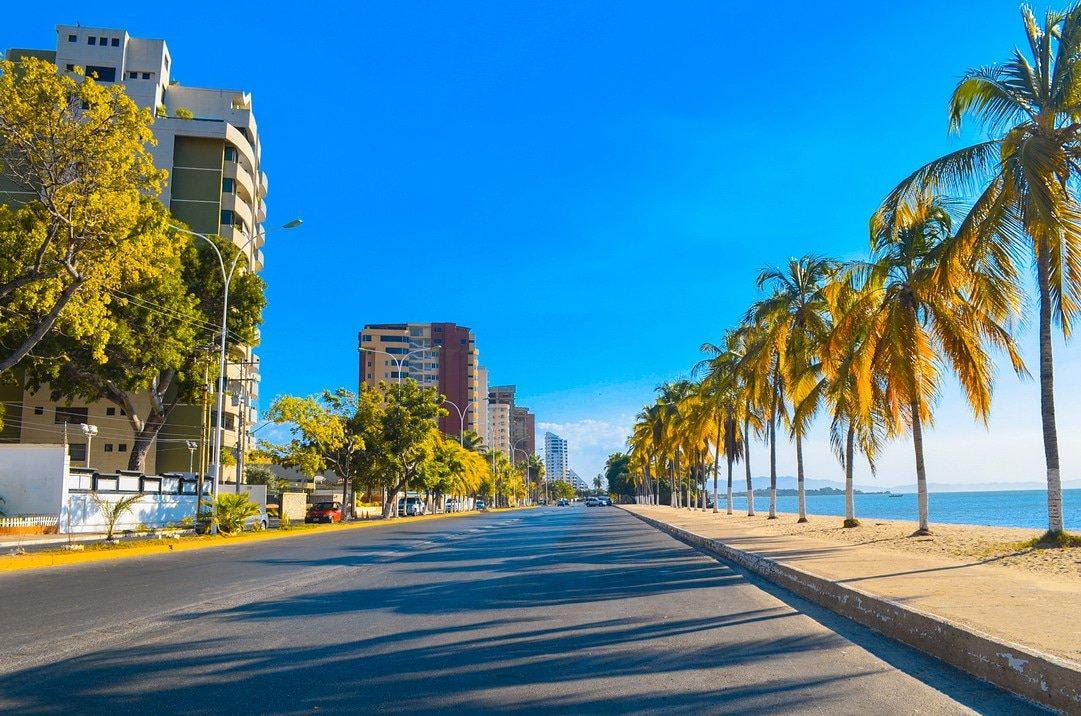
Playa Mansa
This is another major beach in Lecheria. It also has a walkable area, a beautiful boardwalk, and is close to many restaurants.
Cerro El Morro
This likely offers the best view of the city. It’s a hill surrounded by the sea. The area is divided into the lower part of the hill and the higher part; the most expensive area is the lower part, but the higher part will also do just fine! The only caveat of this location is that there tends to be problems with the water supply.
Do your best to ensure that your lodging of choice is equipped to endure water shortages — the most expensive places are adequately equipped.
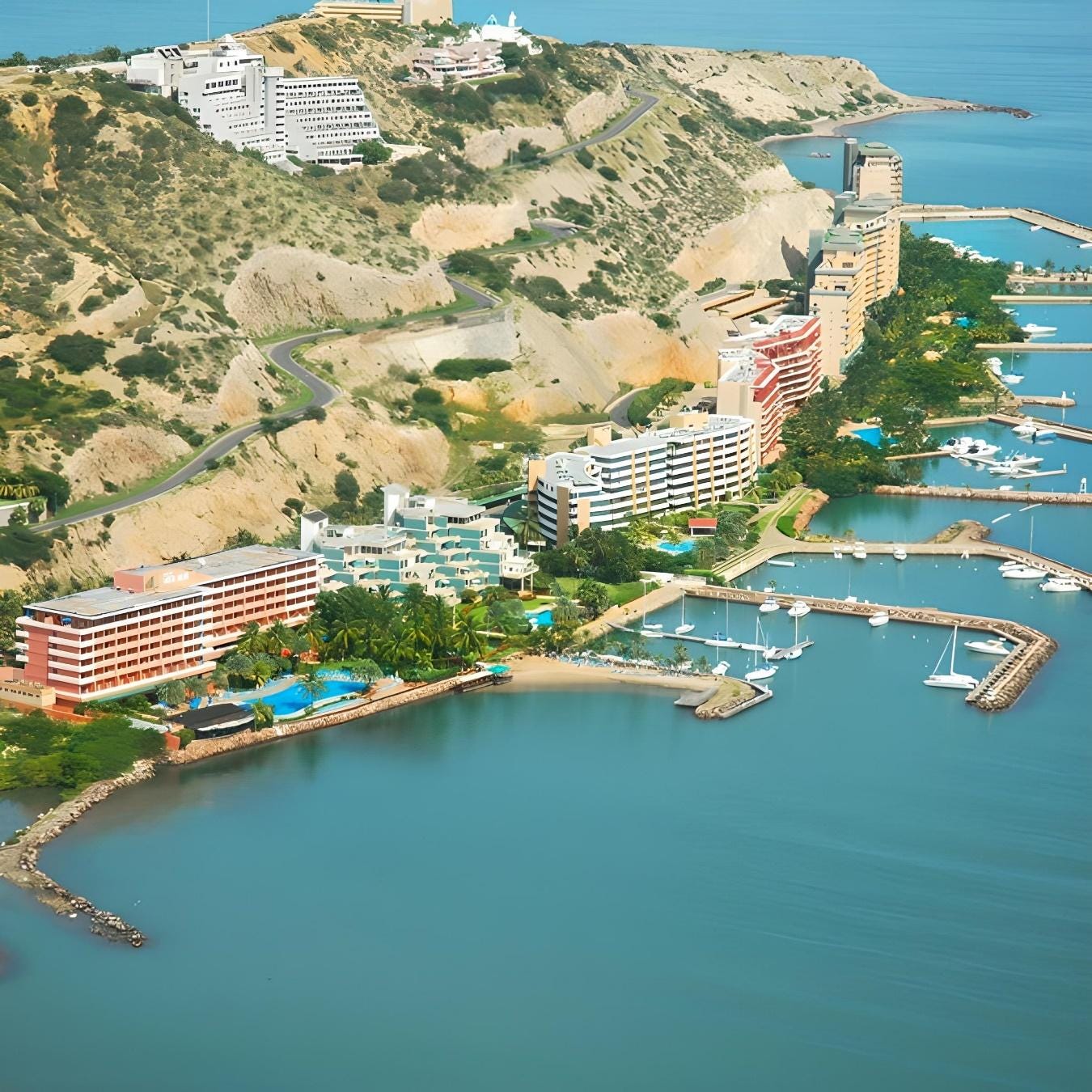
Caribbean Mall
The area surrounding the mall boasts fancy restaurants, hotels, residential complexes, as well as its own beach.
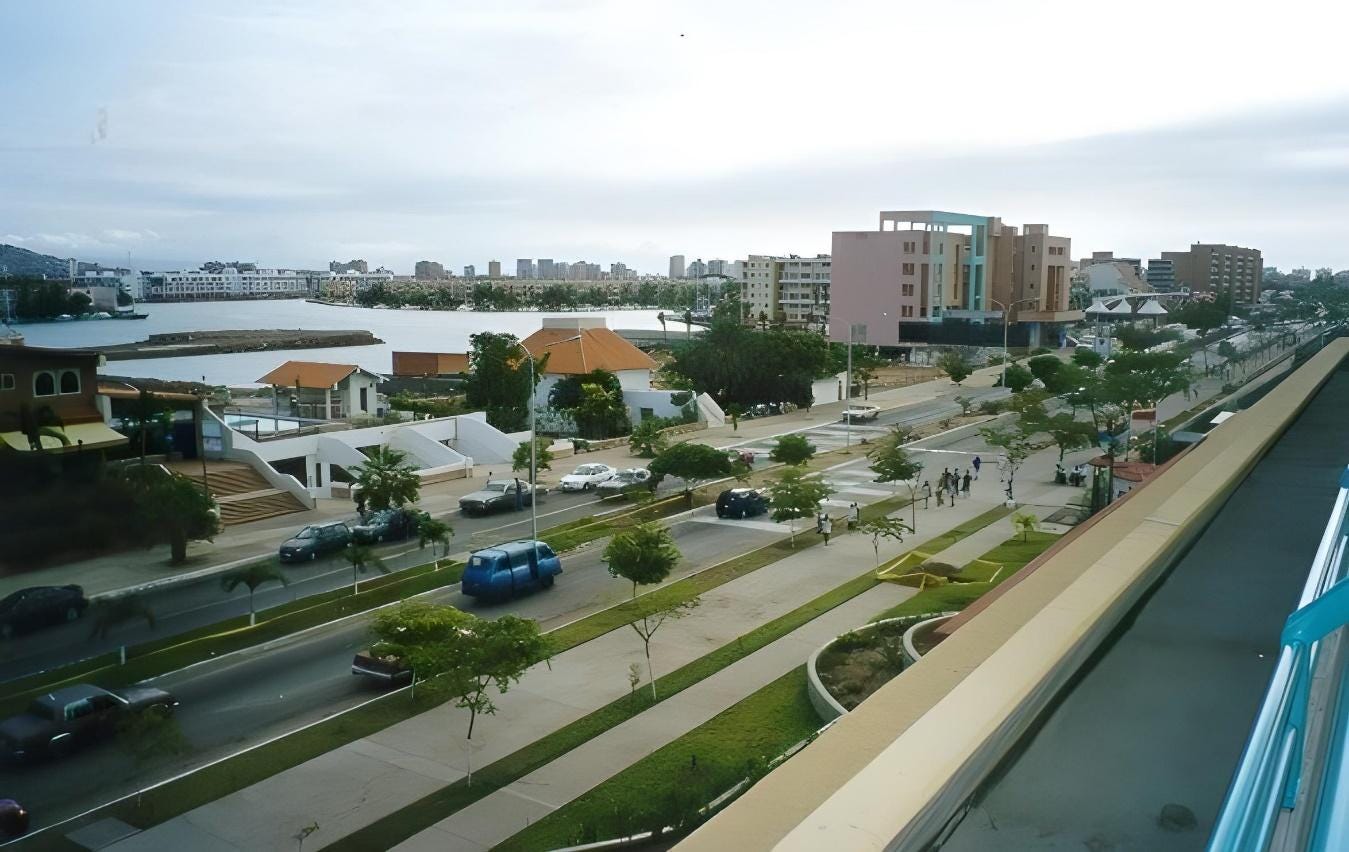
Las Villas
This is the Beverly Hills of Lecheria. It’s one of the best neighborhoods in Venezuela and probably all Latin America.
It’s a complex of large and luxurious mansions that rival celebrities’ houses! Folks that stay here have access to sailing waters, and the owners of the houses will typically own yachts as well. These houses can cost anywhere between several hundreds of thousands of dollars to several million. If you can afford it, you can rent a house for $1,000 per day or several thousand per month.
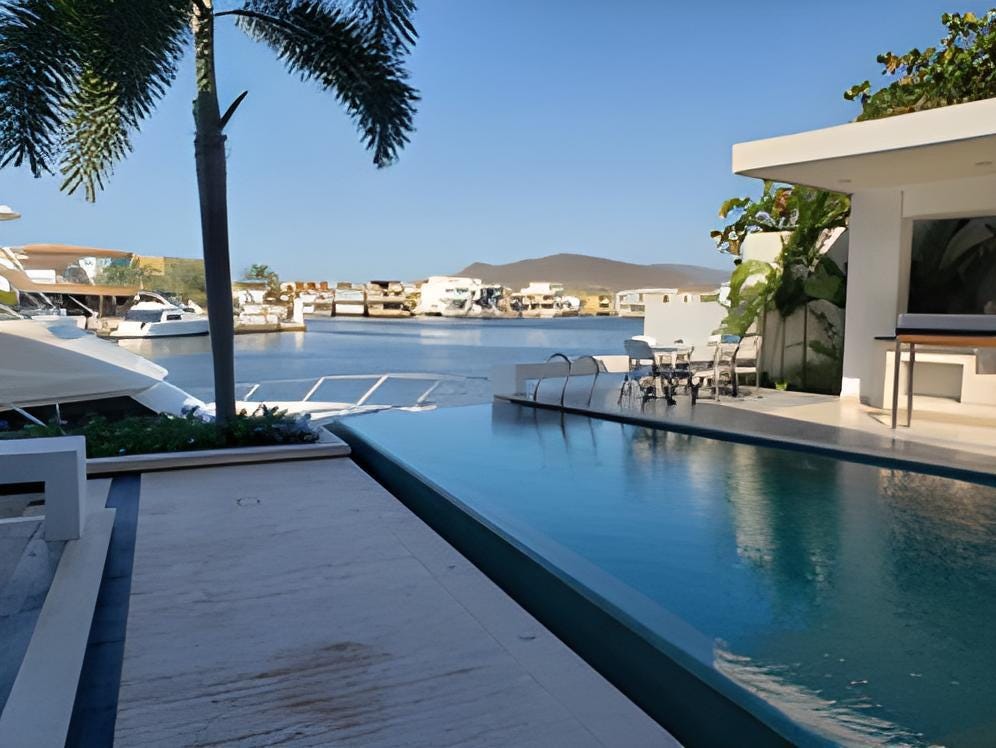
Casas Bote
This is a high-end neighborhood with phenomenal houses that have access to the canal. If you’re on a mid-range budget, instead of paying for a hotel, you can rent one of these houses for a little over $100 per day. Usually, these houses will have a BBQ area and their own swimming pools.
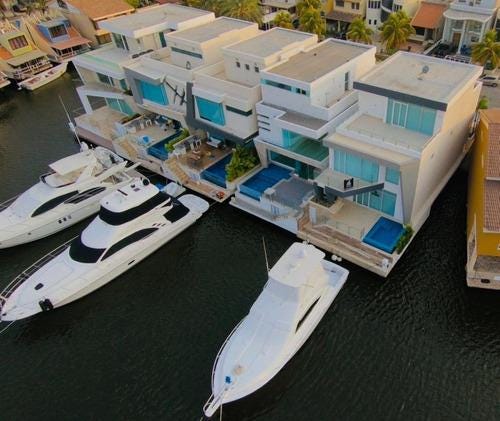
Puerto la Cruz
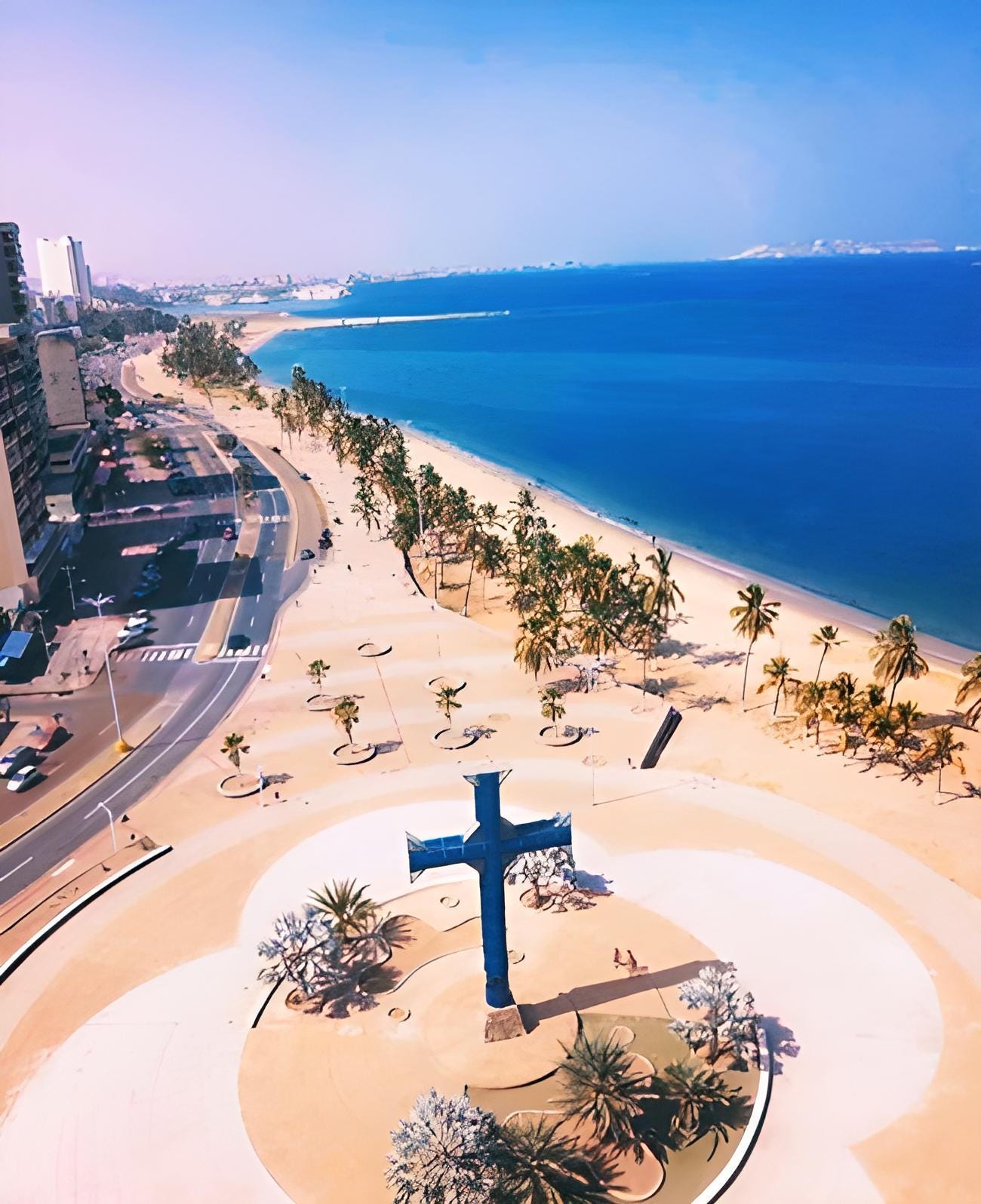
Paseo Colon has a beautiful view of the beach, it’s close to restaurants and amenities, and it’s walkable during daytime. San Jorge’s Church is a decent area with nice complexes and is a hub for Middle Eastern descendants; Prolongacion Paseo Colon is not the best area, but if you like the Marina aesthetics, it’s a beautiful place to stay.
Barcelona
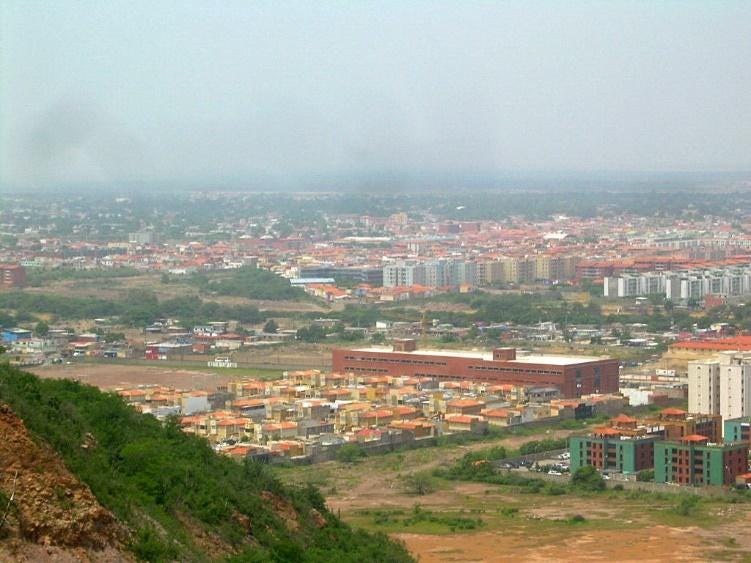
Here you’ll find a lesser-developed zone of the metro area. If you want to stay in Barcelona, I recommend you stay in El Ingenio, a middle-class neighborhood in Nueva Barcelona. It’s on the outskirts of Barcelona and has some newer residential complexes that are decent, as well as a few hotels to choose from that are close to the airport.
Hotels
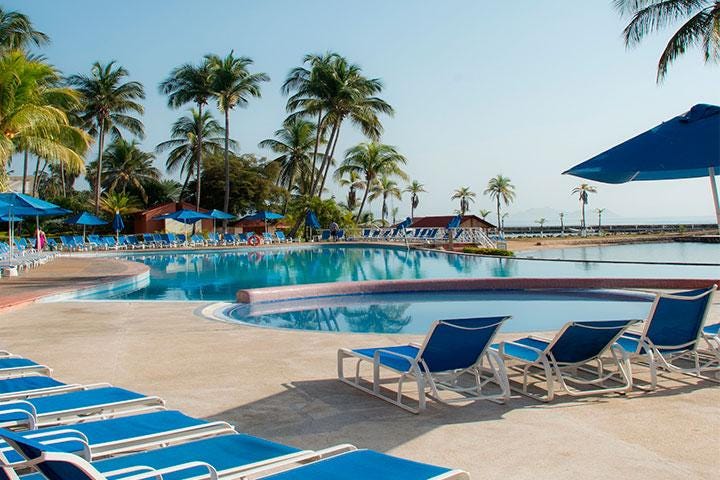
Punta Palma: This is located on Cerro El Morro. It has nice beach views and solid amenities.
Eurobuilding: This is a brand-new hotel on Cerro El Morro. It is a high-end hotel branch, so you can expect top level services.
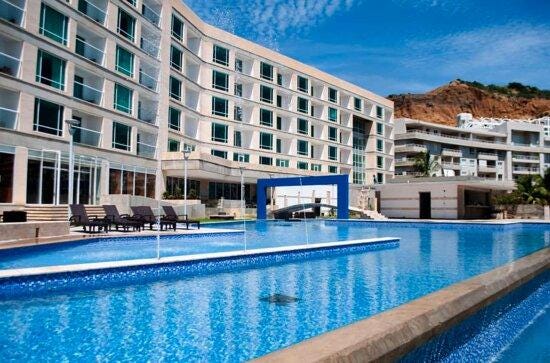
Maremares: This is close to Caribbean Mall. It has great amenities and its own marina. It serves as a city landmark.
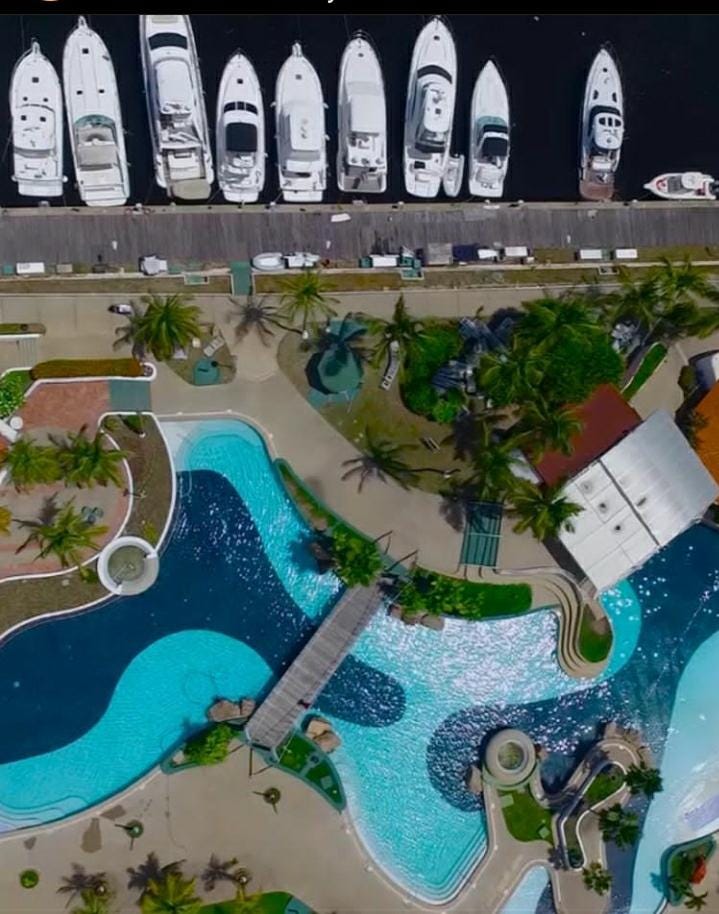
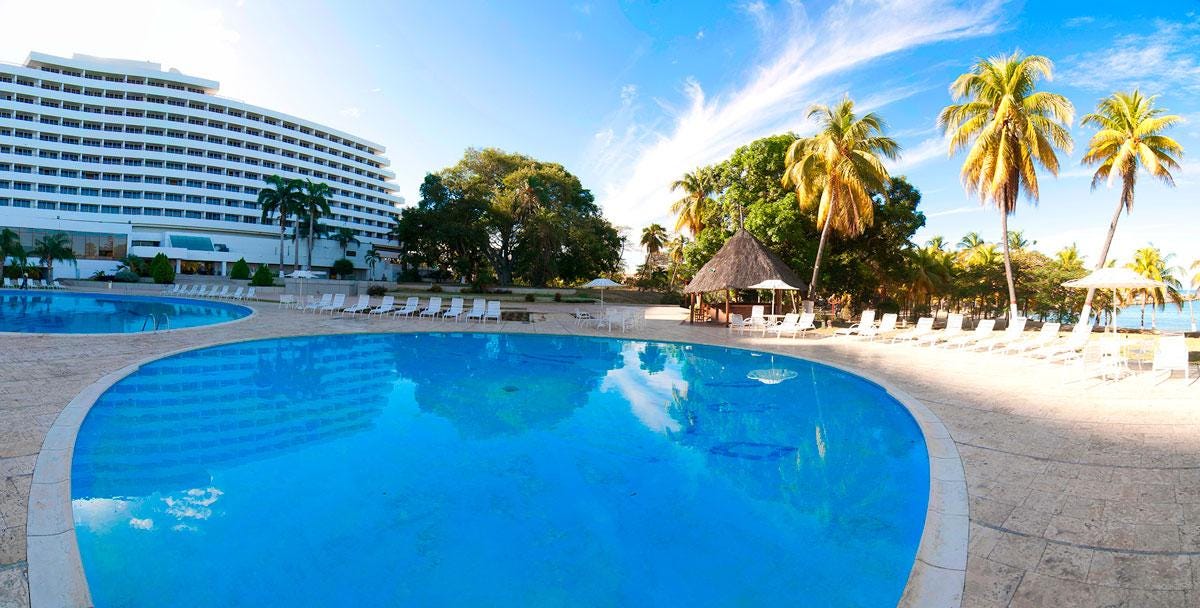
Hesperia/Paradise: This hotel is located at the end of Paseo Colon. It has nice facilities and a superb view of the beach.
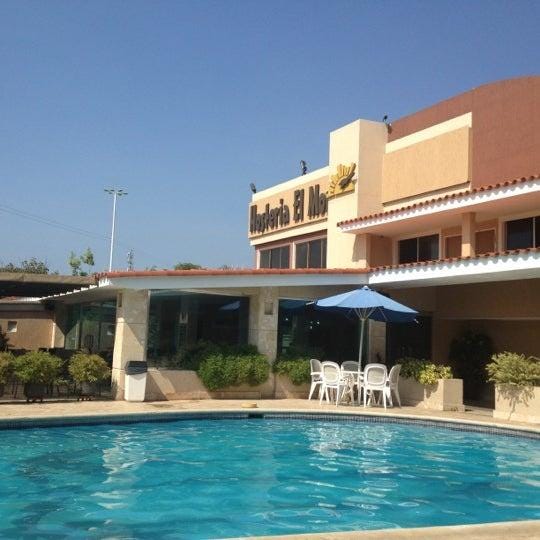
Hosteria El Morro: This is an affordable option with a great location. It’s in Lecheria.
Cost of Living
At first glance, these prices look outrageous. This is supposed to be Venezuela…
However, it’s important to remember that offers here are geared toward high-income individuals. That said, depending on your budget, Lecheria can be as cheap or as expensive as you need it to be.
Airbnb Apartment in Best Area: $500-5.000 USD a month
Hotel in Best Area: $2.000-5.000 USD a month
Maid: $300-400
Grocery Store: $500-800
Eating Out / Delivery: $200-1.000
Gym: $40-70
BJJ / MMA: $20-40
Partying / Dating / Social: $300-1.200 USD
Cell Data: $20
Dining out is probably the most expensive activity here, relatively speaking. While everything else can be obtained at reasonable prices, dining out will always be somewhat pricey.
The good news is that, in Venezuela, utilities and gas prices are very cheap compared to the rest of the world. So, you’ll be able to save money on these expenses.
Bottom line?
You can have a great experience here with a budget between $2,000-3,000 a month. If you are minimalistic or skilled at budgeting, you may be able to cut that estimate in half. It will depend on your preferences and your lifestyle, of course.
And, as always, the longer your stay, the cheaper you’ll pay each month on a rental.