


Dubai, a supposed safe haven for the world's wealthy, is currently dealing with Iranian missiles flying overhead and airports closed down due to bombings.
We've been hearing an awful lot about Mexico recently. And not all of it good. The infamous narco El Mencho was finally captured and killed a week or so ago. Suddenly, there’s over 250 narco roadblocks set up across dozens of states in Mexico, flights at Puerto Vallarta Airport cancelled, and warnings from the U.S. Embassy to “remain in your homes.”
Half of Europe is dealing with a migration crisis, rising levels of crime in cities that previously felt safe as can be, and of course, there’s still war right next door in Ukraine.
Costa Rica, the standard for safety in Latin America, just had its second deadliest year on record. The murder rate in the country has nearly doubled since 2020.
And the southern tip of South America? Crickets.
Nobody’s paying attention. But I am.
I've been living in Latin America for 12+ years. Costa Rica, Panama, Mexico, Colombia...you name it, I've set foot in damn near about every country in Latin America.
And after all these years, I keep coming back to the same conclusion:
The Southern Cone –- Argentina, Chile, Uruguay, Paraguay, and Southern Brazil -- might be the place to be over the next ten years.
With that in mind, let’s dig into…
The Southern Cone Thesis™

What is the Southern Cone?
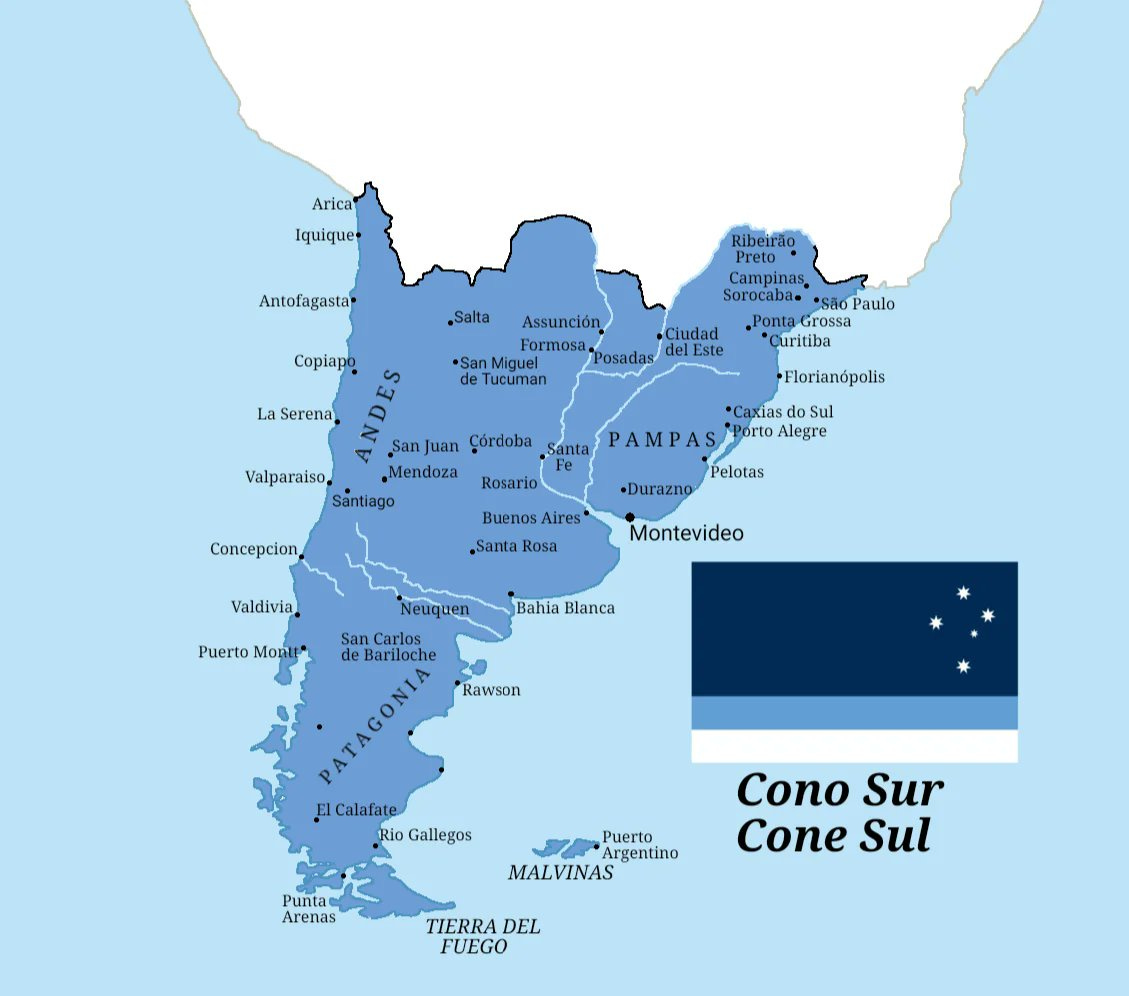
Before we dig into this, you might be wondering what the Southern Cone actually is. Well, in short, it is a geographic and cultural region in South America composed of the southernmost countries on the continent.
These countries share European immigration roots, temperate climates, relatively strong institutions, and a quality of life that most people associate with countries from across the pond (aka Europe).
There are five countries that make up the Southern Cone:
🇦🇷 Argentina
🇨🇱 Chile
🇺🇾 Uruguay
🇵🇾 Paraguay
🇧🇷 Southern Brazil (Rio Grande do Sul, Santa Catarina, Paraná)
Each brings something different to the table. Some offer tax advantages. Others offer great cities. A couple offer both. A few have world-class beach towns, while others feature world-class mountains in Patagonia.
10 Reasons I’m Bullish on the Southern Cone
Methinks that together, Argentina + Chile + Uruguay + Paraguay + Souther Brazil, form a region that checks more boxes than almost anywhere else in Latin America.
Here’s why…
1. The Safe Haven Factor
Middle East conflict? Don’t care. Russia vs. Ukraine? Not relevant here.
Pull up a nuclear target map sometime. The Southern Cone is literally as far away as you can get from every major blast zone and fall out pattern on the planet.
But the distance from geopolitical conflicts isn’t the only thing benefiting the region…
The Southern Cone also offers some of the lowest crime rates in Latin America.
The murder rate in Argentina is about 4.7 per 100,000 residents. The country ranks #1 in Latin America on the 2024 Global Peace Index. The murder rate in Chile is around 5.5 per 100,000 and about 7 per 1000,000 in Paraguay.
Compare that to the places many tourists and expats alike are flocking to: Mexico 19.3, Colombia 25.4, and even Costa Rica 16.4.
The Southern Cone is safe and stable.
2. Tax Benefits & Easy Residency
If you’re a European, Canadian, or Australian who makes money online, yet is still paying taxes like you live in London, Toronto, or Sydney -- pay attention.
Why? because you’ll find countries in the Southern Cone offering some of the most expat-friendly tax laws in the world.
Paraguay has a territorial tax system, which means that they only tax income received from Paraguay. So foreign income is zero, capital gains on foreign real estate is zero, zero wealth tax, zero inheritance tax. And actually getting residency here is relatively simple –- a couple background searches and some basic paperwork. You start with temporary residency -- don’t be absent for more than 12 consecutive months -- and after a couple years you upgrade to permanent. There’s a bit more too it, but it’s fairly straightforward. This is why Paraguay residency is so popular these days.
Uruguay takes a slightly different path, but lands at the same destination. Foreign sourced capital income (such as dividends, interest and capital gains) are exempt for the first 11 years as a new tax resident and then are subject to a 5 year phase in at a 6% rate before the ordinary tax rate of 12% applies. The 2026 law changes made some things more difficult, like making the real estate requirement more expensive and potentially decoupling the tax residency and tax holiday for some. But Uruguay is still the country with the best Rule of Law in Latin America, which kinda matters when you’re trusting a foreign government with your tax strategy.
Even Chile has a pretty good deal for new foreign residents. While Chile isn’t always thought of as a low tax country, there’s a 3 year period (known as the “grace period”) where you’ll only pay tax on income that is derived in Chile. Any foreign income will be tax-exempt. You can also request an additional 3 years (for a total of 6 years), but this is just a request and not guaranteed.
3. Argentina’s Economic Potential
There’s a famous quote from Nobel laureate Simon Kuznets:
“There are four kinds of countries: developed, emerging, Japan… and Argentina.”
The joke being for a century Argentina has had everything needed to be a prosperous country and has blown it every time.
That might finally be changing.
A century ago, the GDP per capita in Argentina was roughly on par with that of the UK and the US. Over the years, Argentina descended into a world of economic chaos, including poor governance, high inflation and sovereign defaults (a total of nine). All of this occurred before current President Javier Milei took office in late 2023, when inflation was already over 200% and the economy was in a recession.
Fast-forward to 2026…
Argentina’s GDP grew 4.4% in 2025, the fastest rate among large markets in Latin America. The inflation rate, which had long lingered in the 200% to 300% range, has fallen to about 30% and is expected to be in single digits by 2027. The country has even recorded a fiscal surplus for the first time in 14 years. The OECD is forecasting 4.3% GDP growth in 2026, with the majority of Europe muddling along at an annual rate of 1%.
Is it guaranteed? No. This is Argentina.
But here’s why it matters for the Southern Cone: when Argentina booms, the whole region grows with it.
4. Infrastructure That Actually Works
This is the part that surprised me initially. The Southern Cone doesn’t feel like the rest of Latin America when it comes to infrastructure.
Santiago and Buenos Aires are both incredibly well developed, with modern airports, decent highway systems, and metro systems that work.
The healthcare system in Chile is on a par with some first world countries. The public university system in Argentina is really first rate. And Uruguay’s power grid is 95% renewable.
Don’t underestimate this.
Half the expats who wash out of Central America or the Caribbean don’t leave because of safety or cost -- they leave because the lack of infrastructure breaks them.
Rolling blackouts. Roads that disappear in rainy season. Rural hospitals you wouldn’t trust with a sprained ankle.
5. Food Security
Global supply chains are about one week away from complete chaos at any given moment. Luckily, the Southern Cone may be one of the least affected regions on earth.
Why? Because the Southern Cone is one of the most food secure regions in the world.
Beef is a staple in all of these South American countries. In fact, Argentina and Brazil are among the top five beef-producing countries in the world. Argentina might be the best place in the world to live if all you want to do is eat steak. The beef is world-class and reasonably priced.
Uruguay has more cattle than people. They take their parrilla very seriously too. The country prides itself on its grass-fed beef, producing a quality and flavor many argue is unmatched.
Paraguay is amazing for dirt cheap steaks, as well. The country is also one of the world’s largest soy exporters.
Chile’s oceanfront and mild temperatures make it a major center for fishing and fruit exports. Oh, and don’t forget the Chilean wine.
The “prepper” community has known about the Southern Cone for sometime now. But even if you’re not that paranoid, it’s nice to know that high-quality meat, fresh produce and dairy should be readily available in these countries no matter what our geopolitical overlords throw down the pipe.
6. Culturally Familiar Without Being Generic
Culture shock that never fades is what kills many an expats’ dream. Thankfully, the Southern Cone offers less of this “shock” than almost anywhere else in Latin America.
Here’s why…
For over a century, European settlers from Italy, Germany, and more have migrated to the Southern Cone. As such, there’s a significant cultural overlap in the region that still exists to this day.
This overlap allows westerners to get acclimated faster and feel more comfortable -- avoiding that “permanent outsider” feeling you occasionally hear expats in other places complaining about.
Don’t get me wrong. This isn’t a carbon-copy of Europe. It’s still unmistakably Latin America: the warmth of the people, the slower pace of life, the weekend barbecues, the focus on family.
A place familiar enough to feel like home. Strange enough to remind you that you’re far from it.
7. The Good “Vibes”
Of all the countries I’ve been to in Latin America...
The two countries I felt held the most positive views on immigration from the western world were:
Paraguay
Uruguay
Not a knock on other places, the locals in these spots were just happy to have you exploring their country, curious why you were there, etc. Paraguayans and Uruguayans were just super friendly and personable to me while I was visiting both countries.
I also had great experiences deep in Argentine Patagonia with some local bros.
This affects the “vibes” of a place more than we like to admit...
And it probably goes hand-in-hand with the cultural familiarity many westerners will find in the Southern Cone.
Overall, I’m a big fan of the “vibes” throughout the region -- and have a feeling many feel the same.
8. Cities That Compete Globally
The Southern Cone offers cities that can compete on a global level.
Buenos Aires is possibly one of the best cities in Latin America: the European influenced architecture, the rich food culture, the vibrant and seductive nightlife, the cultural expressions –- all combine in a city of incredible beauty at a cost of living that’s hard to believe (even still, as things have gone up in price).
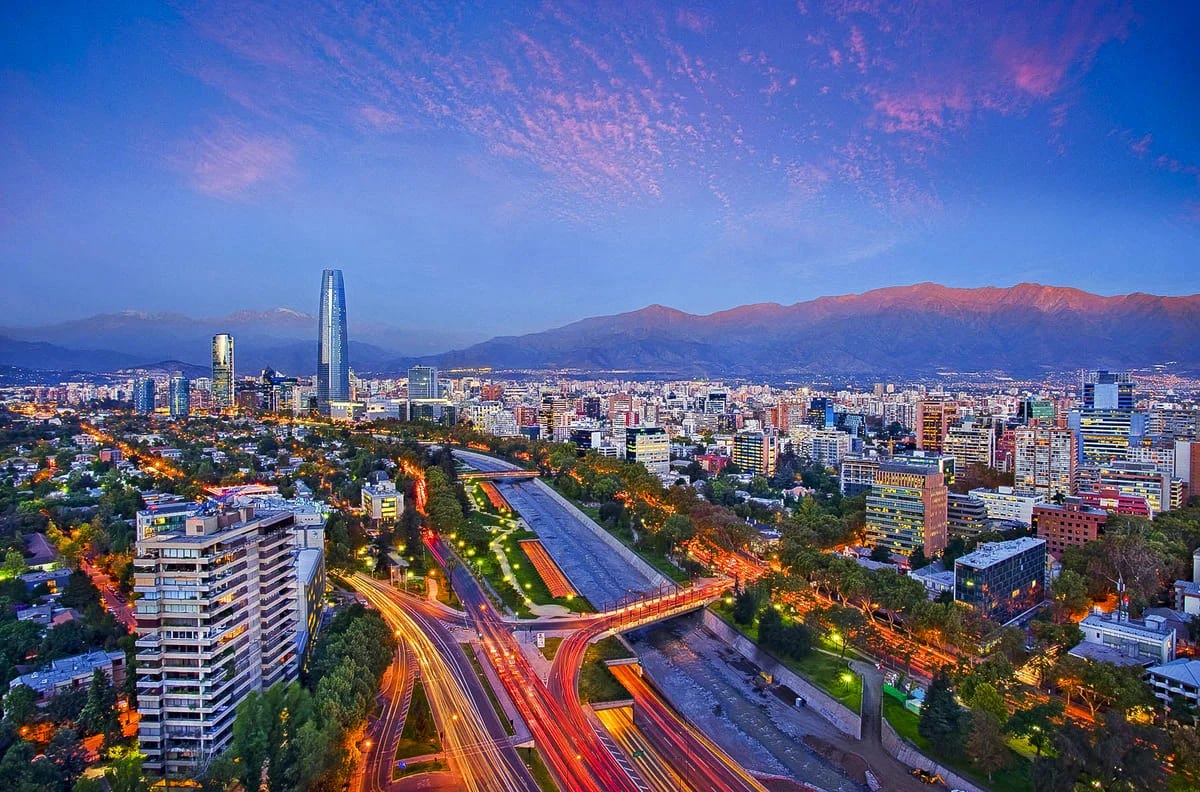
The nice areas of Santiago feels more like a first-world country than almost anywhere else in South America. Plus, it’s in easy striking distance of snow capped peaks, a world class wine region, and some beach towns.
Montevideo is quiet, clean, and easy to live in. One can argue Uruguay is a high-trust society.
Asunción is the dark horse. It’s cheap with a quality of life that does not add up to the price tag. A great value overall.
9. Functional Beach Cities/Towns
Here’s the dirty secret about beach towns in Latin America:
Many are stunningly beautiful, but utterly dysfunctional.
Beautiful beaches and views, but God-awful infrastructure, non-existent medical care, and often lacking in terms of safety and security.
The Southern Cone doesn’t have that problem.
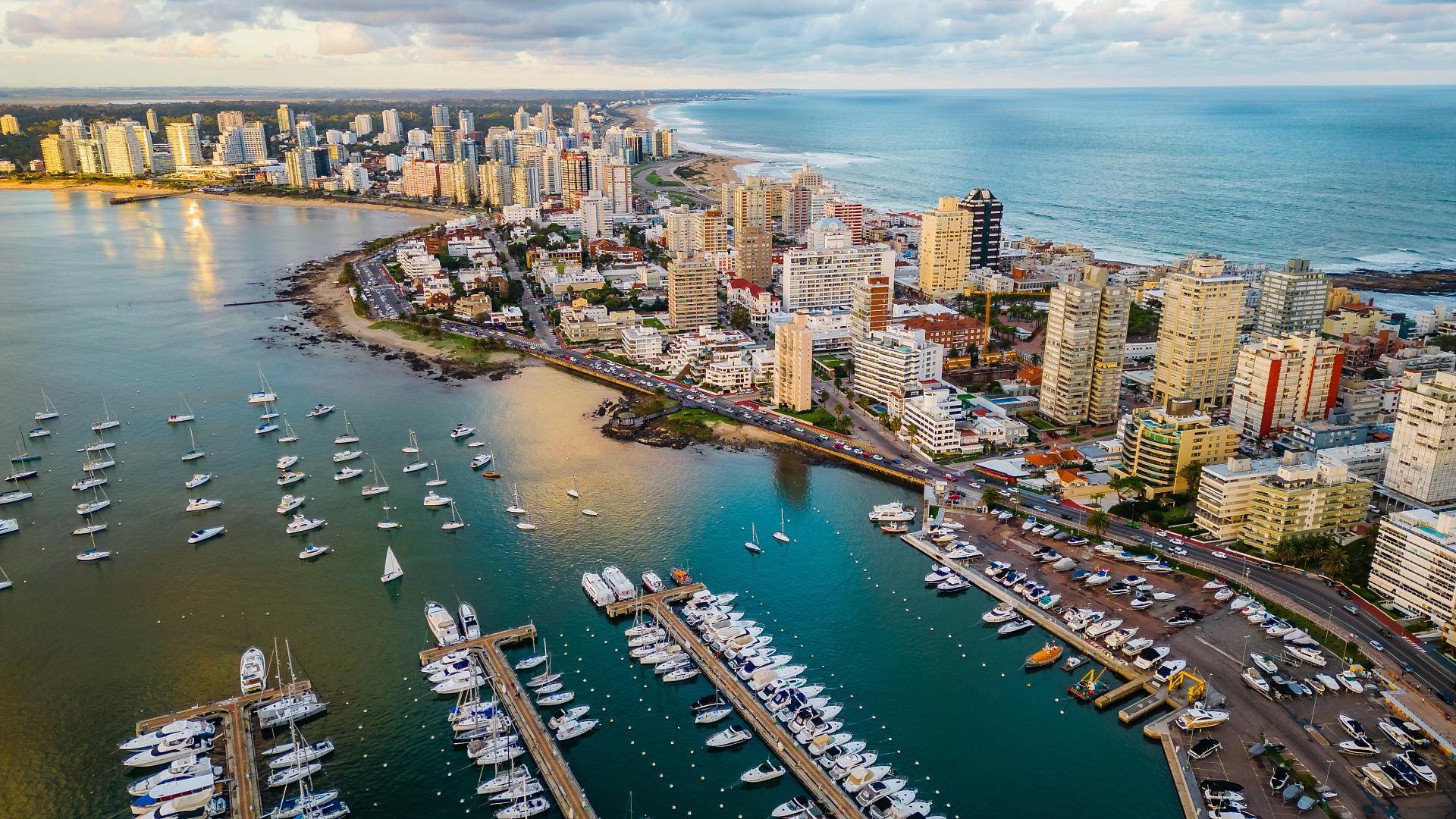
Punta del Este is a pricey, safe, and glamorous destination which has earned itself the “Monaco of South America” moniker. Florianópolis combines Brazilian beach vibes with quality infrastructure and a thriving startup scene. Viña del Mar offers Pacific coast beaches with Chilean efficiency backing it.
These aren’t places you just visit for a week and hope the Wi-Fi works. I mean sure, you can. But they’re also places you can live, work, and even raise a family -- with your toes in the sand.
10. Strong Healthcare Options
This doesn’t get talked about enough in expat circles, and for families living abroad, it might be the most important piece of the equation…
Healthcare and hospitals matter.
The Southern Cone has you covered here:
Chile’s private hospitals are often touted as some of the best in Latin America. High quality care, state of the art technology, and qualified doctors who occasionally speak English. Often at prices far cheaper than you’d find back home.
Argentina’s private clinics aren’t far behind. Hell, some even argue that the public healthcare in Argentina is better -- which can’t be said for many places in LatAm.
Uruguay has universal coverage that works for everyone, backed by medical system that doesn’t fall apart when tested. Overall, very good medical care in the country.
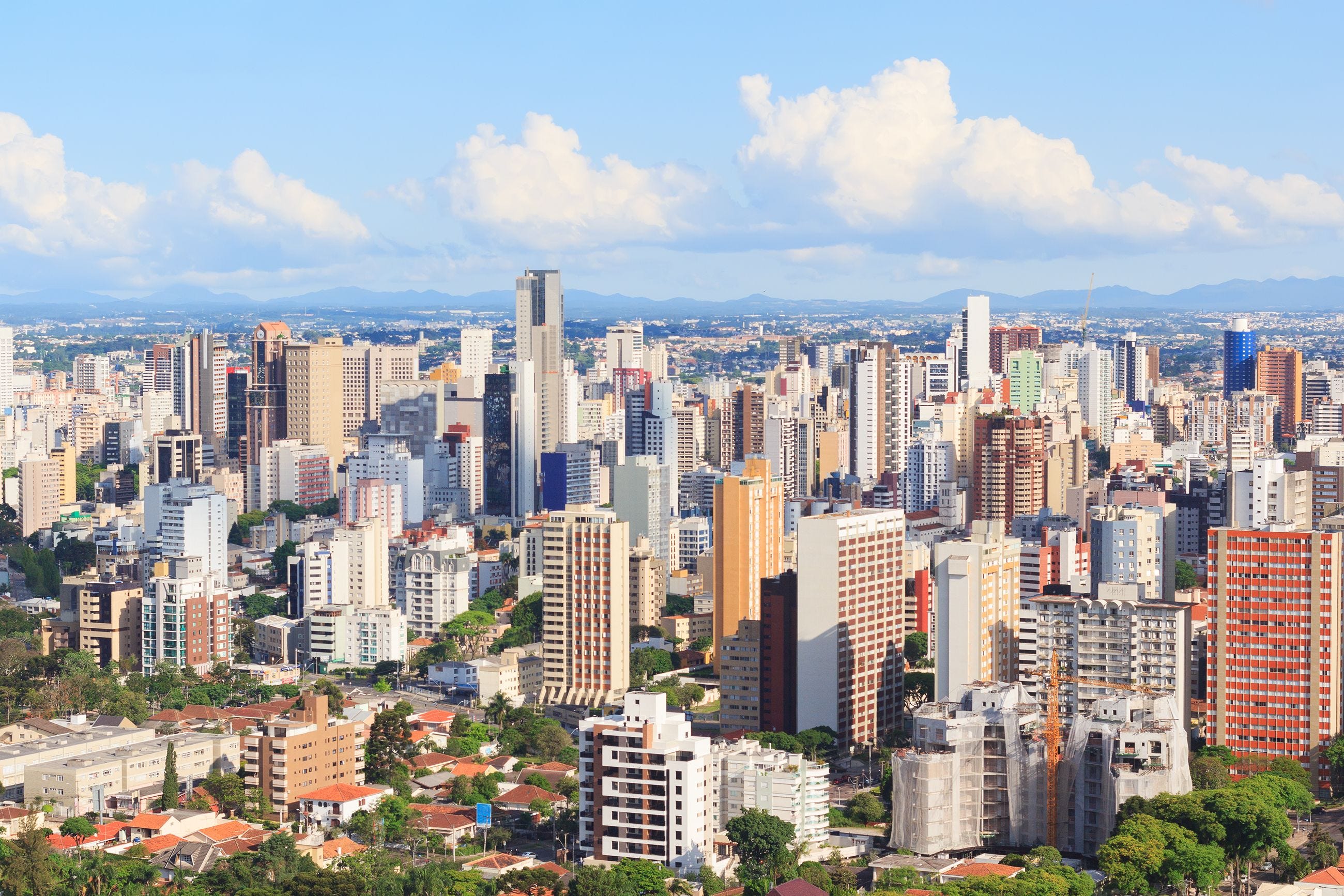
And Southern Brazil, especially Curitiba and Porto Alegre, also has some great hospitals.
The Fine Print
I’m not here to sell you. As with everywhere in the world, the Southern Cone has its downsides.
First, it’s far from back home. Flights to the US or Europe are 10-14+ hours minimum. That geographic isolation that’s a safety feature is also a pain in the ass when family wants to visit or you need to get back home fast.
Second, you’re going to need Spanish. English isn’t as common as it is Mexico or Costa Rica, especially outside Buenos Aires and Santiago. In Paraguay, you’re dealing with Guaraní on top of Spanish, and with Southern Brazil, you’ll need Portuguese. Yes, you will need to learn the local language here.
Third, Argentina is a gamble. While Milei’s reforms look promising and the numbers are moving in the right direction, Argentina has burned those betting on the country before. And not much has really changed in terms of currency risk, bureaucratic headaches, and regulatory/policy volatility.
Fourth, winter is real. Buenos Aires gets grey. Santiago gets cold. As you get deeper into Patagonia, the cold gets brutal. If you need year-round warmth, this isn’t your region. The Southern Cone is NOT a tropical destination.
Overall, for most people…
The biggest downside to Southern Cone living will be the distance from the US, Canada, and Europe.
By far.
This is NOT a place you’ll be popping back home on a monthly, or even quarterly basis. Like you can easily do from Mexico, Costa Rica, or Panama.
The Bottom Line
The Southern Cone isn’t trendy. At least not yet. Although that might be slowly changing. Still…
This isn’t the next Bali. Or Dubai. Or even the next Medellin.
And that’s exactly why it works.
Safe cities, low taxes, the best beef in the world, real infrastructure, and real estate prices that haven’t caught up to what’s coming down the pipe.
After living across Latin America for 12+ years, if I had to pick one region for the next decade, this is probably the one.
Curious about the region? Learn more at SouthernCone.com — coming soon.
Interesting thesis. The Southern Cone does have a habit of being quietly overlooked until it suddenly isn’t.
From the Argentina side, one thing I’d add: markets here rarely behave like tidy spreadsheets. They behave like stories. Prices often reflect memory, pride, or patience as much as fundamentals, which is why the opportunities tend to appear where outsiders assume the numbers don’t make sense.
If you’re ever in Buenos Aires again, happy to continue the conversation over coffee.
Maximiliano Götz, Director, MGNI (M. Götz Negocios Inmobiliarios), MGOTZ.COM