


I’m raising three kids in Latin America. The biggest line item outside of rent, by far, is school tuition.
Many expat families come down here for the cost-of-living arbitrage. Cheaper rent, cheaper food, cheaper labor. Being able to afford a maid and nanny is a game-changer for families.
Then they see that first international school bill and freeze. You moved to a country where rent is 50% cheaper than back home, but now your kids’ school costs more than your apartment.
Luckily, it doesn’t have to be this way…
For example: two American schools in the Southern Cone. Both COGNIA-accredited. Both run AP courses. Both have SAT testing centers and dual diplomas (US + national). Both have been sending kids to US universities for decades.
Lincoln Buenos Aires: $28,100/year for Grade 1-5 tuition. Plus $2,810 matriculation. Plus a one-time $12,000 capital assessment in year one. First-year all-in: ~$42,910.
The American School of Asunción (ASA): $8,806/year for K5–Grade 12. Plus $700 registration. All-in: ~$9,506.
Same credential. Same college pipeline. One almost 5X the price.
Which is why I’m writing this article.

10 Latin American Cities With Strong International Schools Under $10K/Year
International school tuition is the line item that drives most expat families back home.
But there’s at least 11 schools across Latin America charging under $10,000/year for Cambridge, IB, or American diplomas — the same kind of credential the embassy schools sell for three or four times the price.
There are probably more. These are the ones I've found, with locations, verified tuition where I could get it, and anything else you need to know.

Woodside School — Punta del Este, Uruguay 🇺🇾
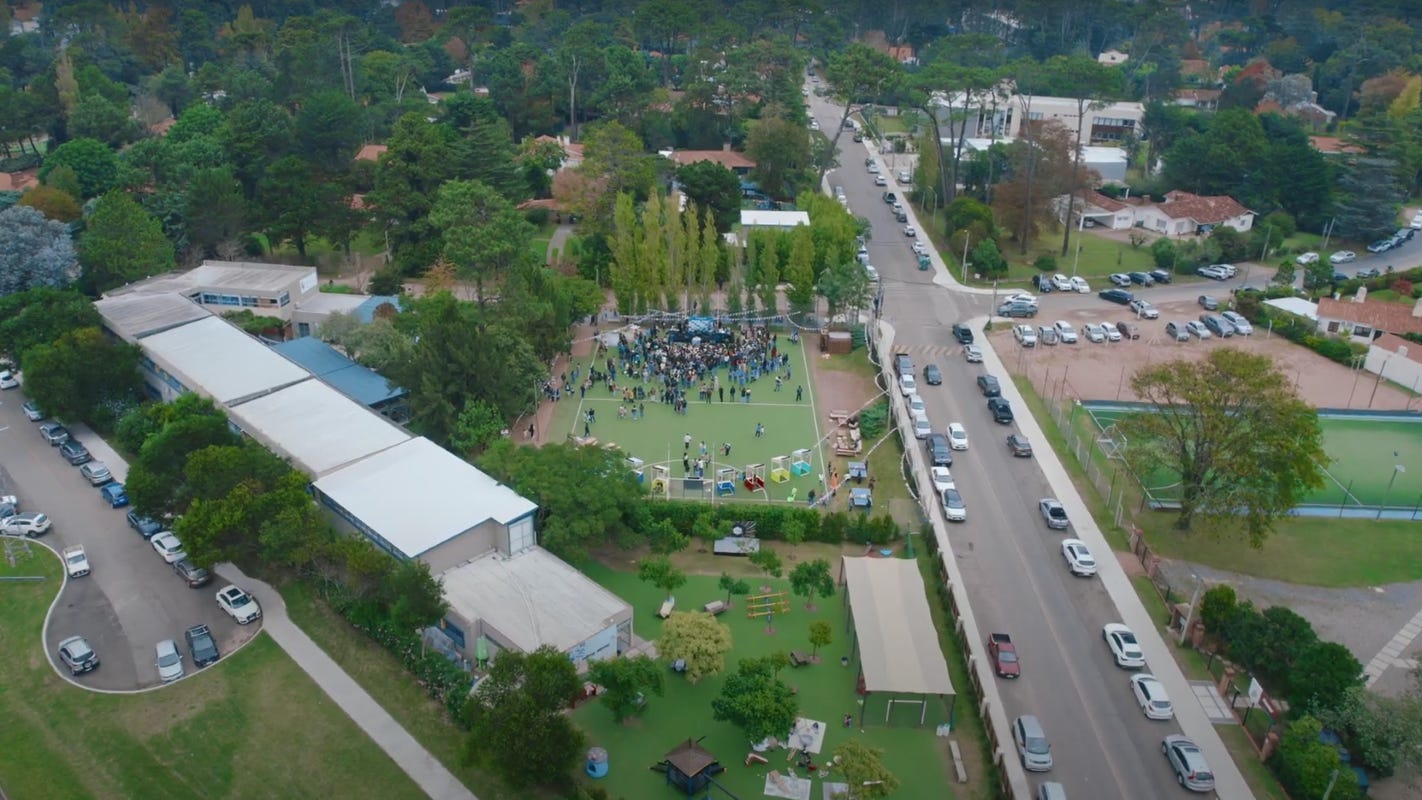
Located in one of the established residential pocket of Punta del Este, Woodside School might be the best value on the list. My lawyer in Uruguay was telling me about the school a few months back and how one of her expat clients switched to sending his kids here and saved 50% on tuition vs. other schools in Punta.
Curriculum: IB World School (Diploma Programme), Cambridge Associate since 2013, Cambridge Pre-U Diploma, IGCSE. Bilingual Spanish/English. ANEP-recognized.
Tuition: Estimated $7,000–$10,000/year for primary. Fees aren’t public, so verify directly.
Why It Qualifies: Around 720 students, 40% international (Argentine, French, Spanish, US, German, British). One of the two IB World Schools in Punta, and the lower-priced one versus International College.
The Catch: Three campuses (Toddlers, Primary, Secondary) — confirm which is closest to where you’d actually live. School year runs March–December, not Northern Hemisphere.
Link: woodsideschool.edu.uy
Instituto Uruguayo-Argentino (IUA) — Punta del Este, Uruguay 🇺🇾
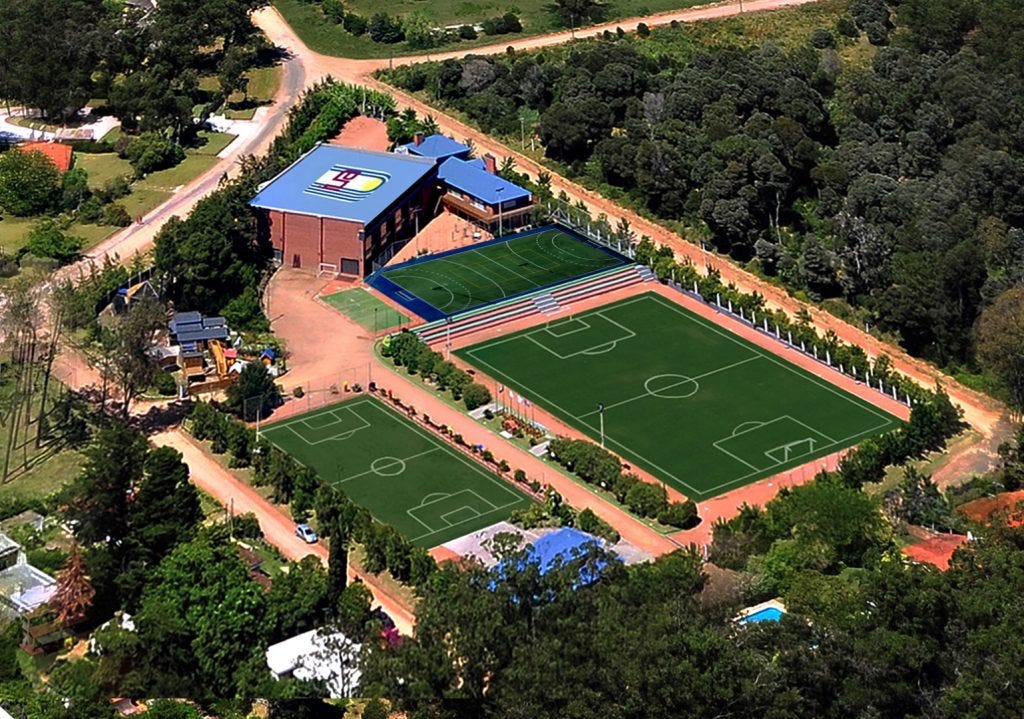
While in Punta del Este, I became friends with a local realtor. He had a daughter around my kids’ age and we discussed school options in the city. He sends his daughter here and raved about the school.
Founded 1978, IUA was the original bilingual option in town.
Curriculum: Cambridge International School. Cambridge Primary, then IGCSE in secondary. Bilingual Spanish/English with French (DELF) and Portuguese added. Official IELTS testing center for eastern Uruguay.
Tuition: Estimated $6,000–$10,000/year for primary. Verify directly.
Why It Qualifies: Older and more established than Woodside. Student body leans Uruguayan and Argentine, which means a more local cultural experience for your kids — and typically lower fees.
The Catch: Cambridge IGCSE/AICE only, no IB Diploma. Cambridge credentials work fine for US universities but aren’t as familiar to American admissions officers.
Link: iua.edu.uy
Costa Rica International Academy (CRIA) — Playa Flamingo, Costa Rica 🇨🇷
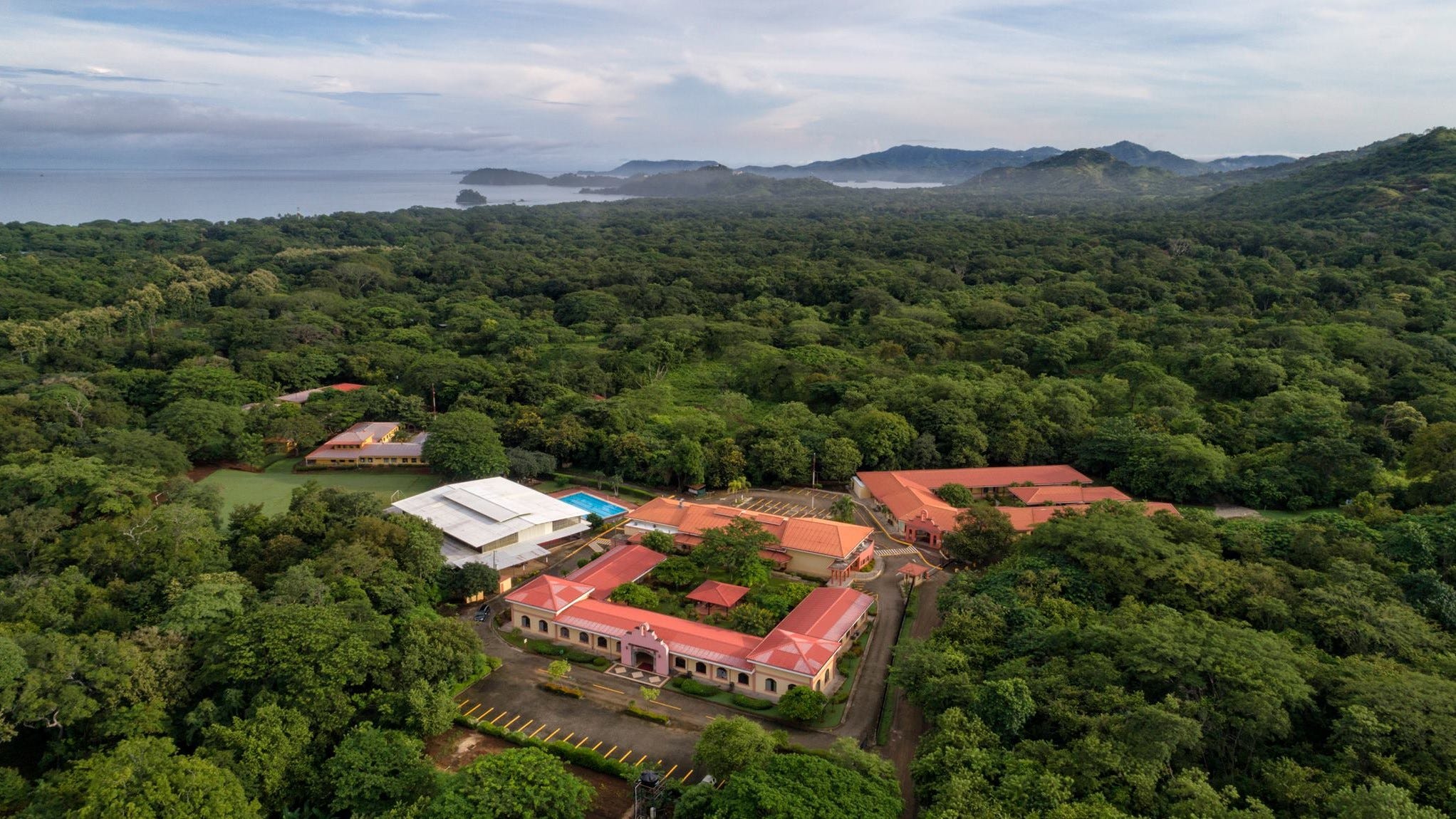
CRIA is in Playa Brasilito, between Flamingo and Tamarindo on Guanacaste’s Gold Coast. Pacific surf corridor, dry tropical climate, heavy expat presence. It’s the only US-accredited school in all of Guanacaste, which makes it the default for any family relocating to this stretch of coast.
I know a handful of families sending their kids here and they’re all quite pleased.
Curriculum: US-accredited (Middle States Association). AP courses, PSAT, SAT. AASCA, Tri-Association, Johns Hopkins CTY partner. Bilingual English/Spanish. Pre-K through 12.
Tuition: $6,120-$11,655/year depending on grade. A new 2026-27 tuition policy just dropped, so check current rates.
Why It Qualifies: 32-acre campus, around 450 students, 35-40% American. A real US college pipeline from a beach town.
The Catch: AP track only, no IB. Living in Flamingo year-round means committing to small-town Pacific beach life. That’s either the dream or the dealbreaker.
Link: criacademy.com
Escuela Americana — San Salvador, El Salvador 🇸🇻
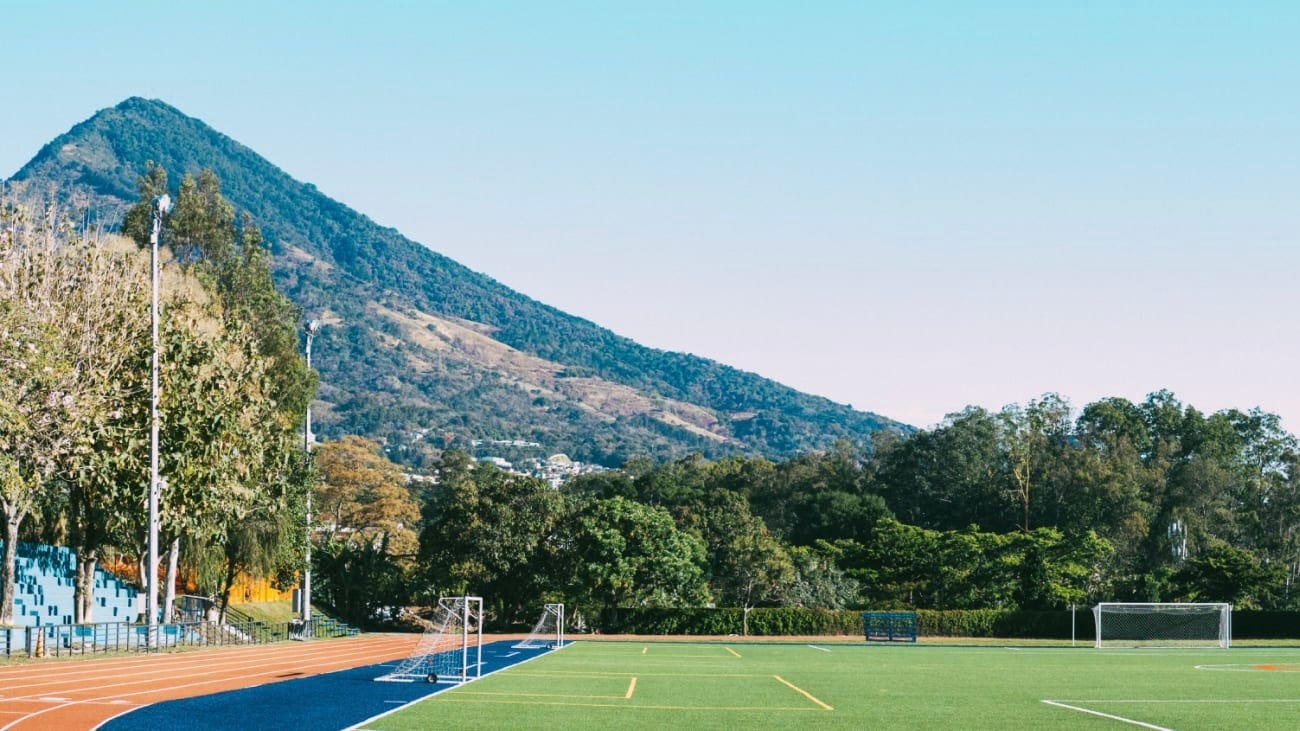
It’s rare to find a US Embassy “affiliated” school in a capital city for under $10,000 a month. Escuela Americana in San Salvador is exactly that Located in Colonia San Benito, the embassy-adjacent corner of San Salvador and walkable to Multiplaza, Zona Rosa, and most of the diplomatic residences.
Curriculum: US college-prep, NEASC-accredited. 20 AP courses. Dual diploma (US + Salvadoran Bachillerato). About 85% of graduates head to universities in the US, Canada, or Europe.
Tuition: Verified. PreK $8,780, Elementary $9,249, Middle $9,872, High School $10,744 (US State Department 2025 fact sheet). One-time $4,300 capital fee on top.
Why It Qualifies: Best price-to-credential ratio of any embassy-tier American school in Central America. Comparable schools in Costa Rica run $25K+ for the same diploma.
The Catch: El Salvador is still developing. Infrastructure outside San Benito and Escalón gets rough fast, traffic is bad, and serious medical issues mean a MedEvac to Houston. The school is excellent. The country is a bet on Bukele’s security gains holding up.
Link: escamerican.edu.sv
The John F. Kennedy School (JFK) — Querétaro, Mexico 🇲🇽
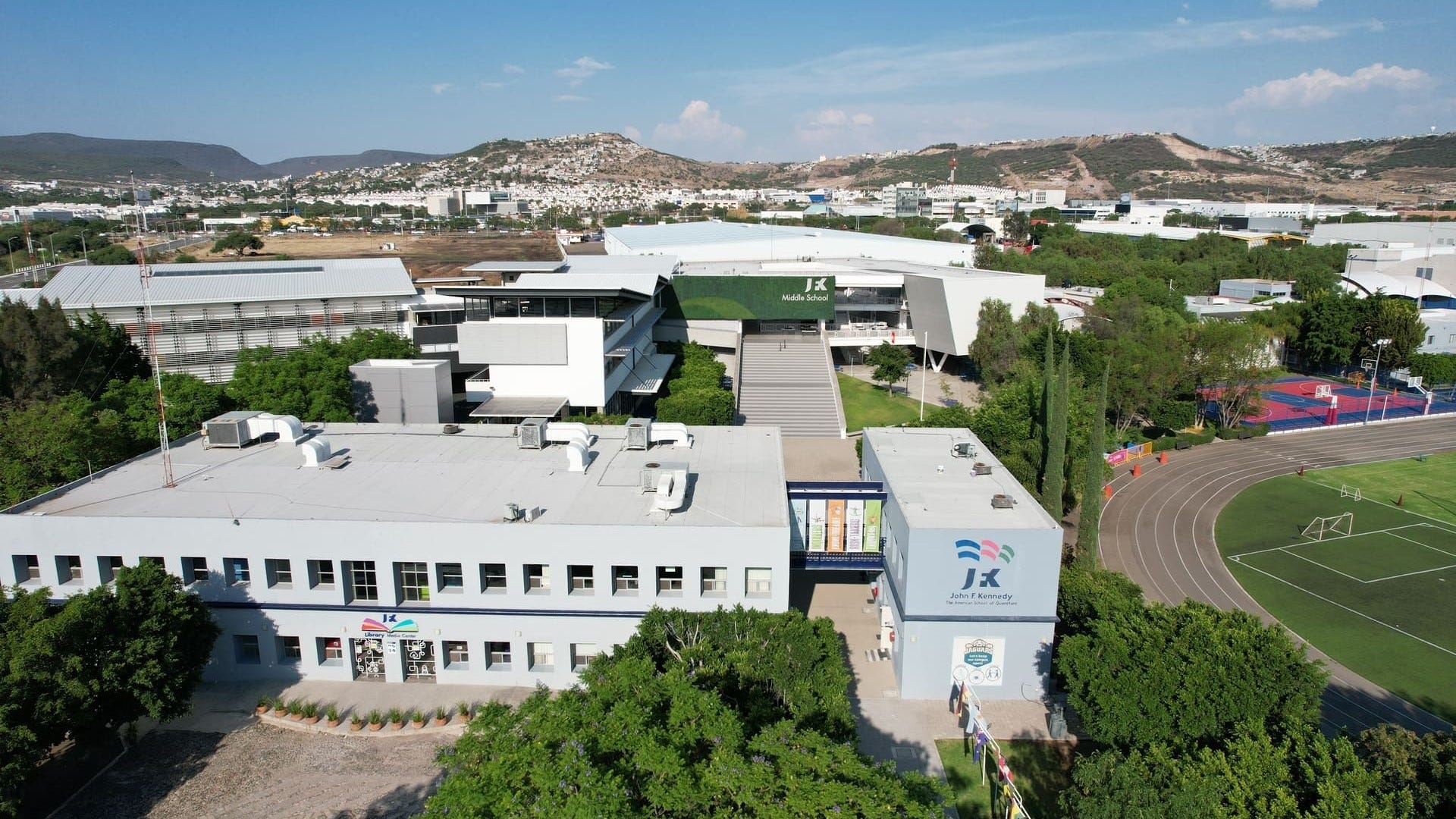
15-acre campus in Jurica, the established old-money corridor of north Querétaro. Considered to be *the* American school in the city. Querétaro itself: 1.5M metro, UNESCO colonial center, aerospace and auto industry, some of the safest crime stats in Mexico, temperate year-round at 6,000 feet. Two hours from Mexico City.
Curriculum: IB World School (PYP, MYP, Diploma). SACS/Cognia accredited. American curriculum. Bilingual. School-Within-a-School (SWAS) program for international students learning Spanish.
Tuition: $6,340–$12,603/year depending on grade level (NanaSays, 2025). One-time admission fees on top.
Why It Qualifies: Founded 1964. Around 1,400 students, 35 nationalities. Full IB Continuum + US diploma + Mexican SEP diploma. Aerospace and embassy-adjacent families.
The Catch: Selective admissions. Entrance exam required and not every applicant gets in. Have a backup plan (ITJ or Cumbres).
Link: jfk.edu.mx
The American School of Asunción (ASA) — Asunción, Paraguay 🇵🇾
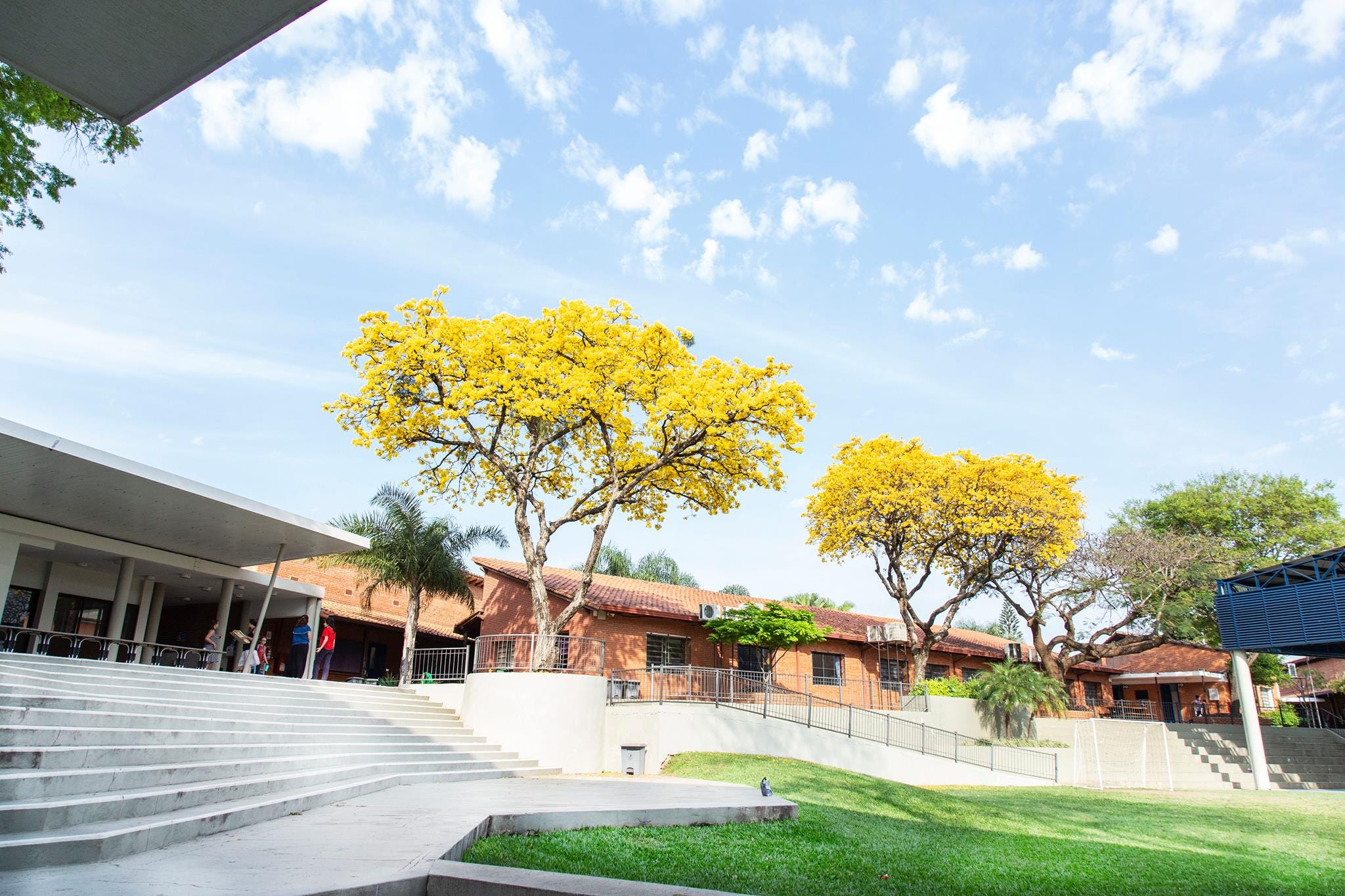
ASA is on Avenida España in Villa Morra, Asunción’s #1 expat neighborhood. Most ASA families live within 10 minutes of campus. Founded 1953. Considered by far the best international school in Paraguay.
Curriculum: US college-prep, COGNIA-accredited. AP courses, SAT testing center. Dual diploma (US + Paraguayan).
Tuition: Verified. $8,806/year for K5–Grade 12 (US State Department 2023-24 fact sheet). PreK $5,715. Plus a $700/year registration fee.
Why It Qualifies: 825 students, 30+ nationalities. Embassy-tier American school for under $10K.
The Catch: Persistent reports of a “donation” requested for guaranteed admission, rumored low five-figures on top of registration. The waitlist is real. Asunción itself is unglamorous, the summer heat is brutal, and the medical infrastructure is thin.
Link: asa.edu.py
Madison International School — Mérida, Mexico 🇲🇽
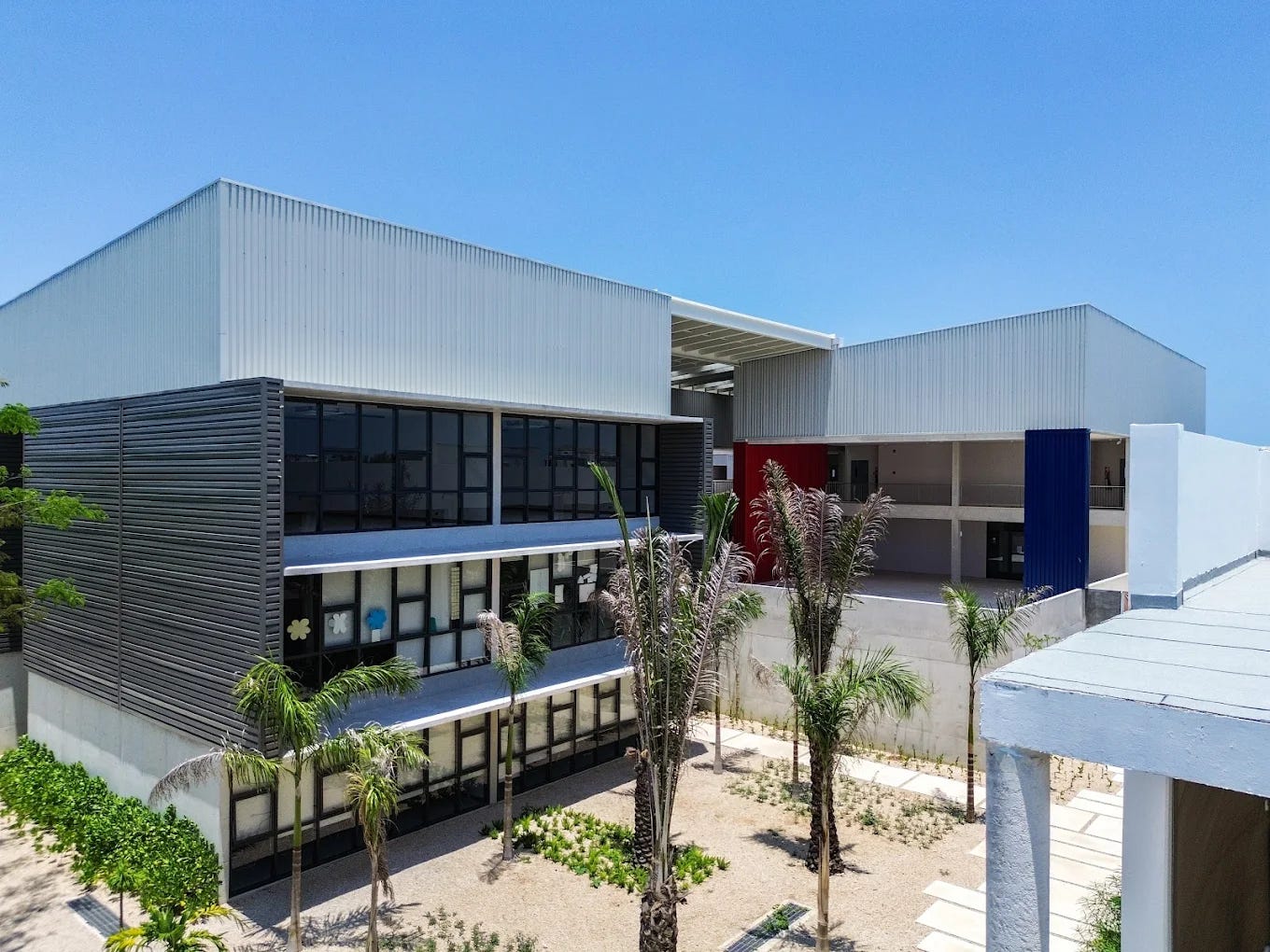
Madison is in Chablekal, far north Mérida. Adjacent to the Yucatán Country Club, the Costco corridor, and most of the new expat residential development. Walkable from several gated communities. Mérida ranks as the safest city in Mexico — around 1M metro, 20 minutes from the beach.
Curriculum: IB World School. Full IB Continuum (PYP, MYP, Diploma). Bilingual English/Spanish. Part of the Madison Group, which has 40+ years and campuses in Chihuahua, Monterrey, Mérida.
Tuition: Estimated $7,000–$10,000/year for primary. Fees aren’t published, so verify directly.
Why It Qualifies: Full IB Continuum at sub-$10K is rare. Around 12% foreign student population. Premier international option in Mérida by credential — in the safest expat city in Mexico.
The Catch: Mérida heat is brutal April–September (100°F+ with humidity). Pricing isn’t public. Smaller school relative to JFK Querétaro.
Link: merida.mis.edu.mx
Academia Argüello — Córdoba, Argentina 🇦🇷
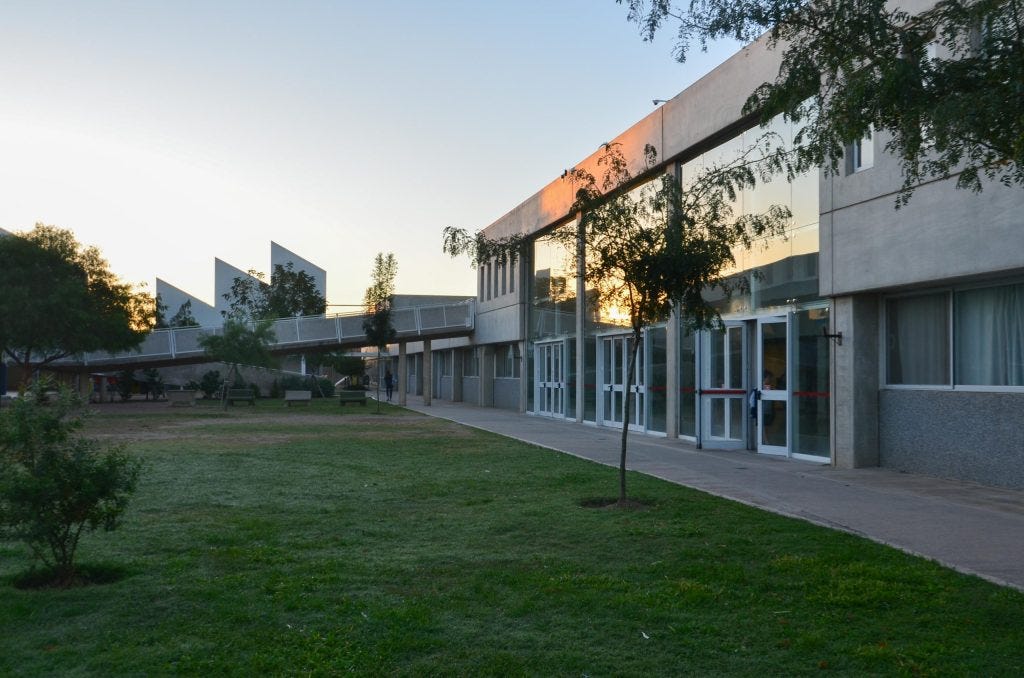
Academia Argüello is on Av. Rafael Núñez in Argüello, north Córdoba. The surrounding neighborhoods (Cerro de las Rosas, Villa Belgrano) make up the established family-residential corridor. Córdoba itself is Argentina’s second city, 1.5M, university town with the oldest university in Argentina, Sierras 30 minutes away for weekend escapes.
Curriculum: Trilingual (Spanish/English/French). Cambridge International School — IGCSE and AICE. Exchange programs with France, Canada, and South Africa. Founded 1955 specifically for kids of foreign families in Córdoba.
Tuition: Estimated $4,000–$9,000/year. Argentine peso volatility means USD-denominated estimates shift quarterly, so verify directly.
Why It Qualifies: Around 1,000 students. Cheapest credentialed option on this list for USD earners. Cambridge AICE diploma opens doors to UK, Canadian, and European universities.
The Catch: Cambridge track only — no IB, no AP, no American diploma. This is a bilingual Argentine school, not an international school in the embassy sense. Peso instability means your USD budget for this school will move every quarter.
Link: aa.edu.ar
San Juan del Sur Day School — San Juan del Sur, Nicaragua 🇳🇮
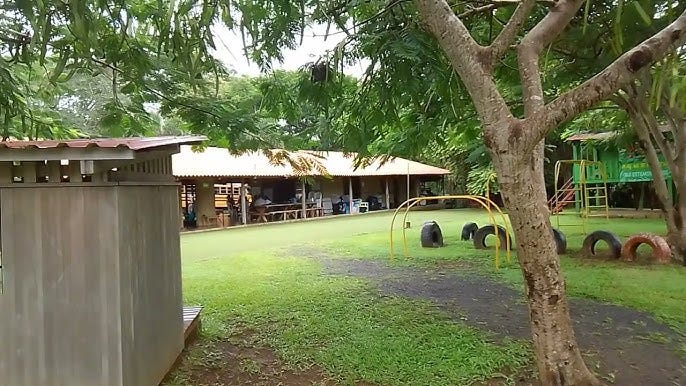
The Day School is at Finca Las Nubes, on an organic farm 10 minutes outside San Juan del Sur. SJDS itself is Nicaragua’s premier Pacific surf town — small, tight expat community, laid-back beach culture. Founded 2009.
Probably a good option until kids get closer to high school, then you’d want something credentialed.
Curriculum: International English-based curriculum, bilingual Spanish/English. MINED-accredited (Nicaraguan Ministry of Education). Pre-K through 11th grade, with 12th grade in development.
Tuition: Estimated $4,000–$8,000/year. Fees aren’t published, so verify directly.
Why It Qualifies: Around 160 students. Most teachers are expat parents trained in Canada or the US. The de facto pick for English-speaking expat families in southern Nicaragua. Farm campus, ocean views, real outdoor education.
The Catch: Not yet a full K-12 graduating school. 12th grade is still being built. No IB, no AP, no international accreditation beyond MINED. Nicaragua’s political situation under Ortega adds country-risk that Costa Rica doesn’t have.
Vermont School — El Retiro, Colombia 🇨🇴
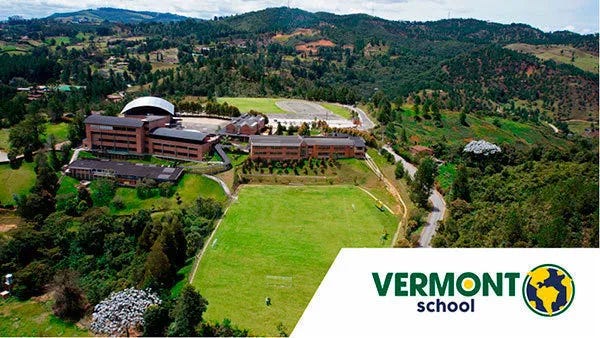
Eastern Antioquia highlands, 45 minutes from Medellín. The El Retiro / Llanogrande corridor is cool-climate country-club territory. Gated communities, golf courses, weekend homes for wealthy Paisas. Lower crime than Medellín proper and a meaningfully different lifestyle — rural, quiet, family-oriented.
Curriculum: IB World School (PYP + Diploma), Cambridge International, Cognia. Trilingual Spanish/English/Mandarin. Calendar B. Cognita-owned.
Tuition: ~$9,300/year Grade 1 (2025-2026). Verified via Antioquia government tariff resolution.
Why It Qualifies: The same Cognita brand’s Bogotá campus charges $14-16K for the same IB Diploma. Single-track pricing here means expats pay what locals pay.
The Catch: Campus is in El Retiro, not Medellín. 30-45 minutes from El Poblado. Plan to live nearby.
Link: vermontmedellin.edu.co
BAICA — Buenos Aires, Argentina 🇦🇷
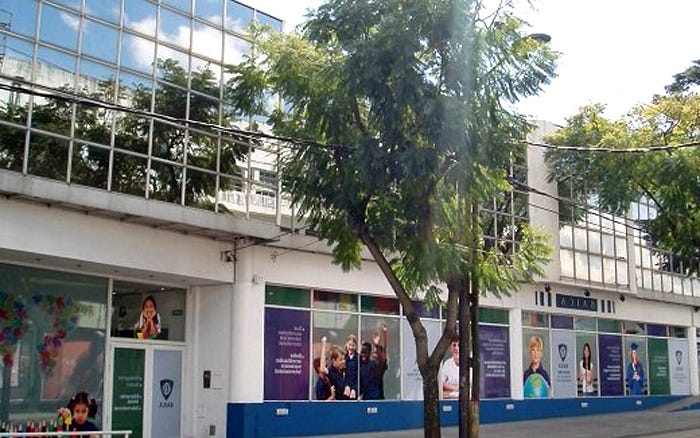
BAICA is in San Fernando, northern Greater Buenos Aires — the corridor where most diplomatic families and corporate expats live. About 30-40 minutes from central BA. Calendar runs August–June (Northern Hemisphere), which is rare in Argentina and signals genuine international positioning.
Curriculum: US-style, English-medium. Middle States Association accredited (the same regional accreditor as Princeton, Columbia, NYU). Approved for all US Embassy and British Embassy personnel in BA. PK-12.
Tuition: Not publicly disclosed. Historical and structural data suggest a plausible $8,000–$13,000 range, but unverified. Contact admissions directly.
Why It Qualifies: Around 200 students, 17+ nationalities. The only English-medium, Northern Hemisphere-calendar alternative to Lincoln (which charges $28K for elementary) in greater Buenos Aires.
The Catch: No public pricing, full stop. Diplomatic clearance and Middle States accreditation suggest the school may price toward the upper end of the estimate. Smaller community than Lincoln, and sports/extracurricular depth isn’t equivalent.
Link: baica.edu.ar
How the Math Works Out
For most expat families in Latin America, the school bill is what decides whether you stay long-term or pack up after two years.
The 11 schools above are proof you don’t have to break the bank while living down south with kids.
Before you commit, make sure to contact the admissions office and get the actual number in writing. Listed tuition is rarely the whole story once registration fees and the occasional “donation” enter the picture.
But overall, the international schools above offer strong education for children under $1,000/month — a rarity in Latin America.
